For twelve days we drive through Kenya and visit the Amboseli National Park, Lake Naivasha, Masai Mara North Conservancy and Nairobi. We are very lucky to stay in wonderful lodges, meet incredibly nice people and have fantastic wildlife observations.
This trip was paid for by me, the report was not expected or commissioned from any side. I report on my own experiences. The links to the individual accommodations etc. are not remunerated and are inserted by me for your information.
For more photos and videos go to the German blog post!
Arrival in Nairobi in Kenya
With KLM we started from Hamburg via Amsterdam.
To enter Kenya, a fee-based eTA is currently required for a lot of countries (please always check up-to-date!), which must be applied for at least 72 hours before arrival. Without this, you are not allowed to fly off in the first place.

We arrive an hour late, but are reliably welcomed by our local agency, The Out of Africa Experience, and taken to the Tamarind Tree Hotel. Shadrack, our contact person there, organized everything wonderfully! It is already past midnight and the night is short, because we are picked up before half past nine.
To Amboseli National Park
It’s a long and interesting drive in a minibus, which we share with four other people.
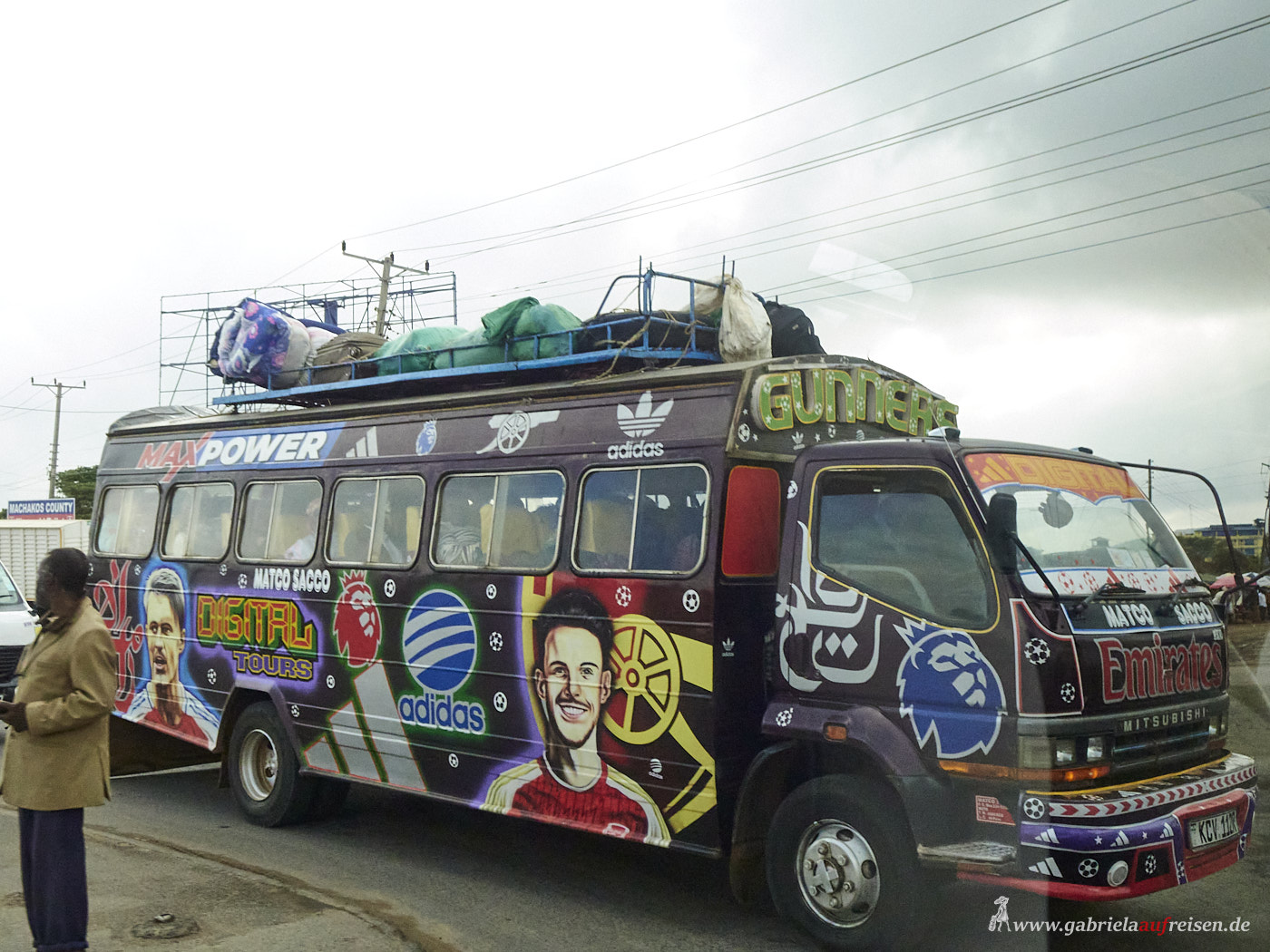
Two lanes? Surely there’s more room! The other drivers don’t seem to mind. Three or four cars, trucks, or the ubiquitous motorcycle taxis can easily fit side-by-side. And sometimes a donkey cart even comes along on the wrong side of the road.
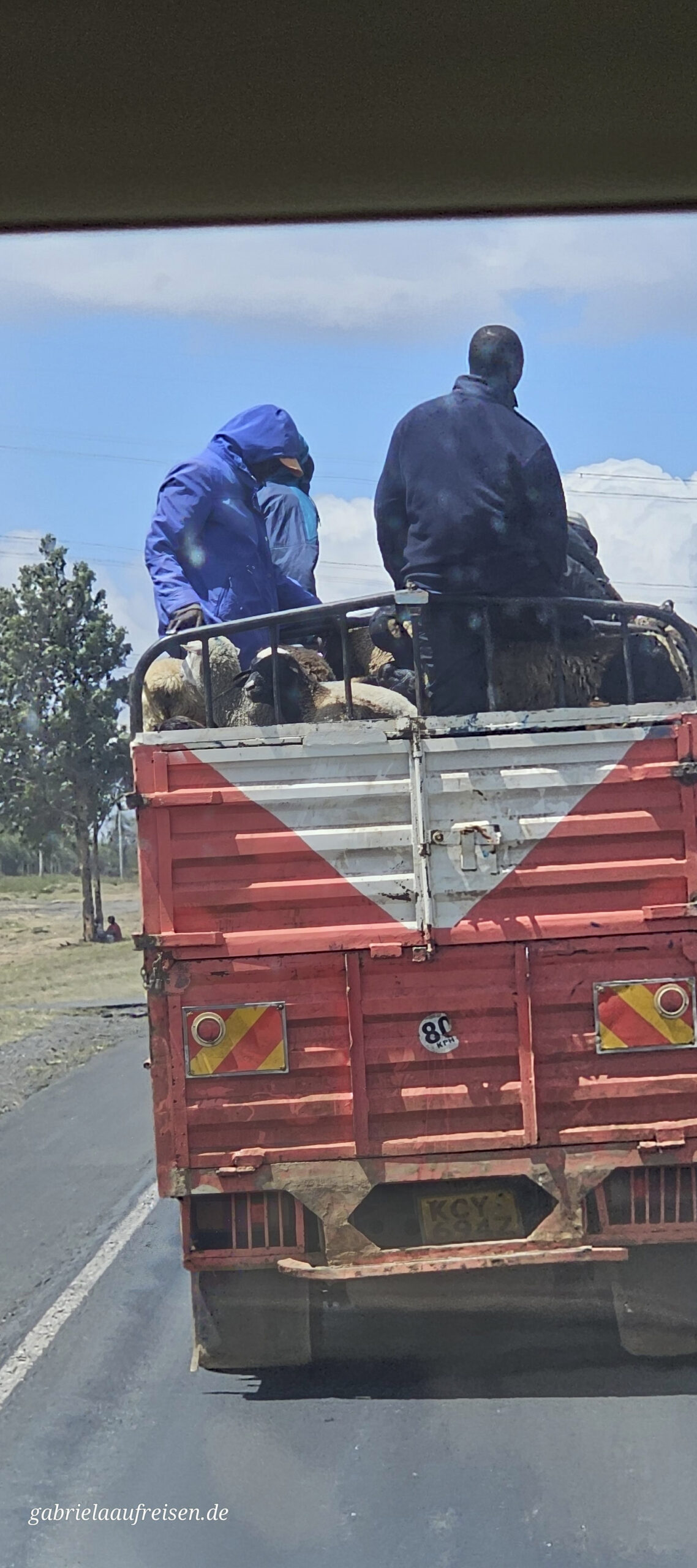
How fortunate that our driver, Stephen, is such a good chauffeur who doesn’t get flustered!
We arrive at the
Amboseli Sopa Lodge
in the early afternoon. Just in time for lunch. At the Amboseli Sopa Lodge, all meals are served buffet-style. The selection is extensive, and the food is delicious.
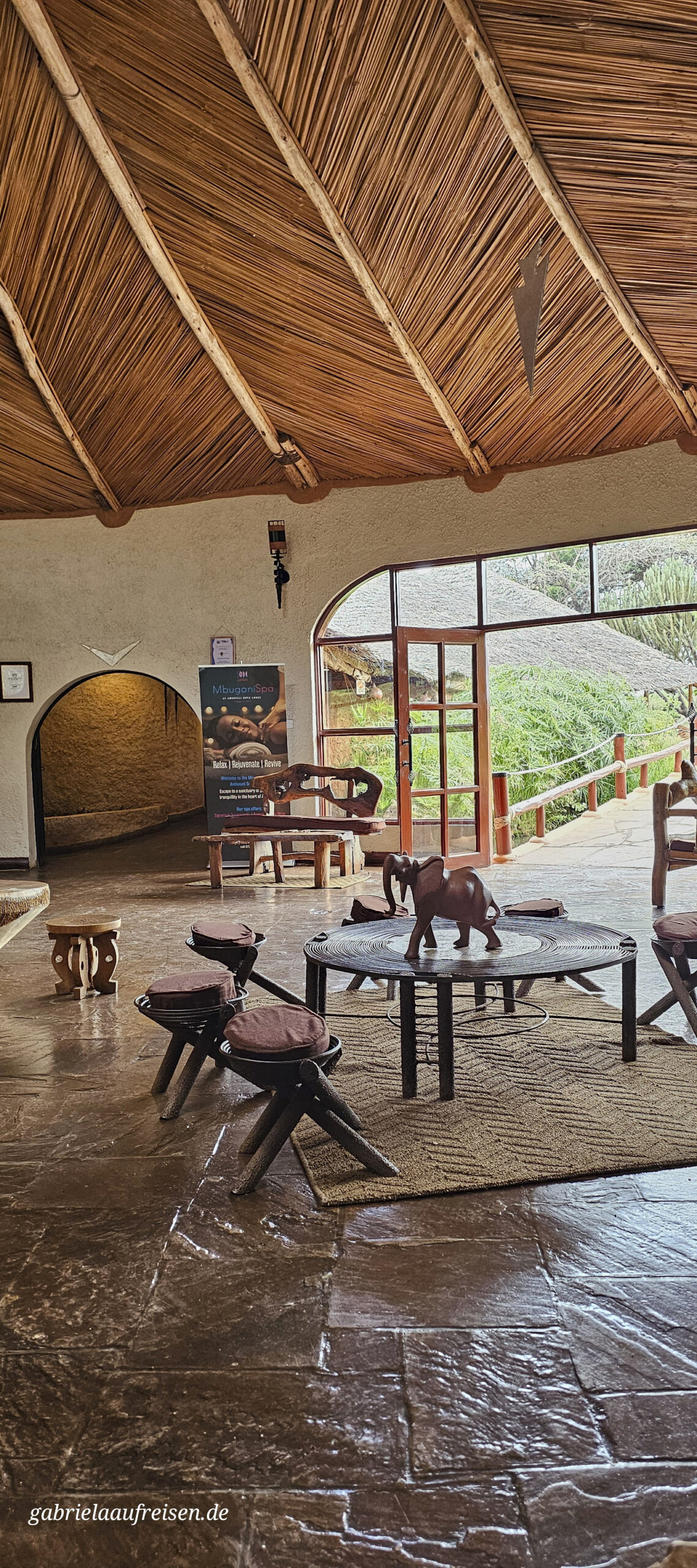
Since there is nothing more planned today, I let a very good masseuse knead my back and there is still enough time to relax by the pool.
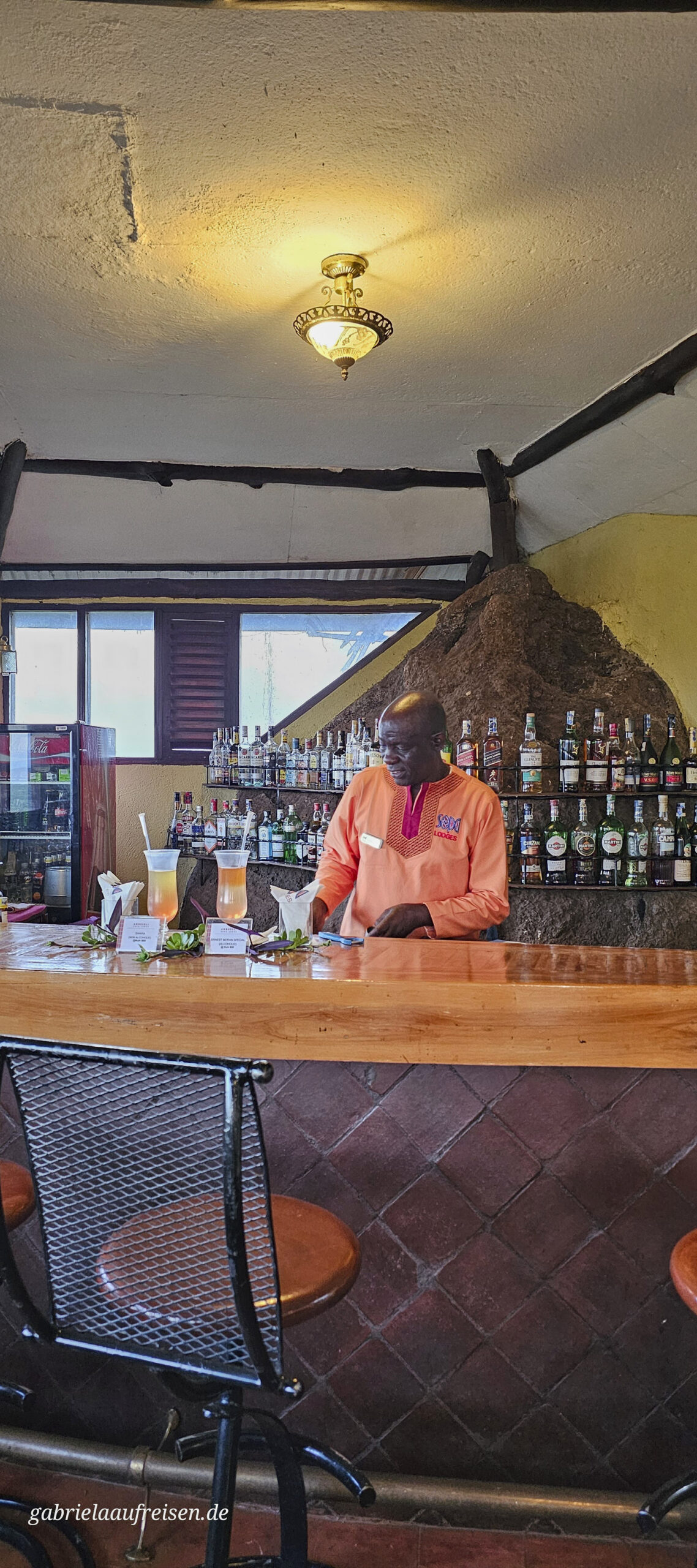
In the evening we go for a sundowner in Ernest Hemingway’s house, which he had built on a hill and which is now a bar. The bottles are arranged around a lava chunk built into the wall. The house is partly equipped with the original furniture and offers a fantastic view over the Amboseli National Park in the distance and Kilimanjaro, the highest mountain here.
Amboseli National Park in Kenya
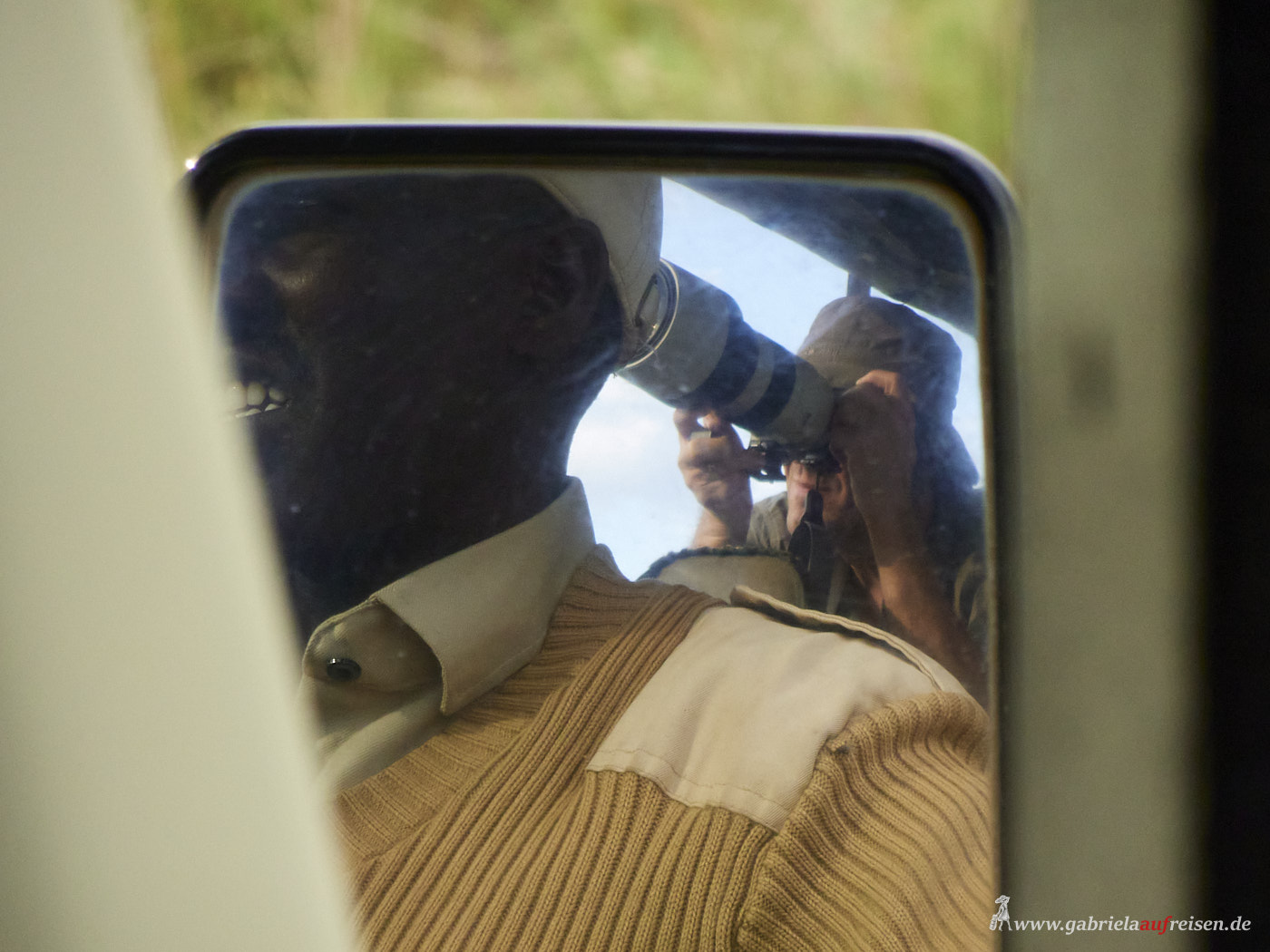
In the following two days we can go on “safari” here for many hours. The word safari comes from the Masei language and means “journey”. To be correct, we do several “game drives”, i.e. we drive through the park with our guide Jack, looking for the animals.
The Amboseli National Park is located in the south of Kenya and is almost 400 square kilometers in size.
The national park is only passable on the paths, off-road is not allowed and is certainly not advised, as the public part consists of many swamps, in which even animals sometimes get stuck.
They are fed by the water of Kilimanjaro, which can usually be seen very clearly and without clouds in the morning and evening.
Unfortunately, a lot of its glaciers and snow are no longer existent. I wonder what will happen to the Amboseli National Park in Kenya and its rich wildlife when all the snow has melted due to climate change and no more water is coming in.
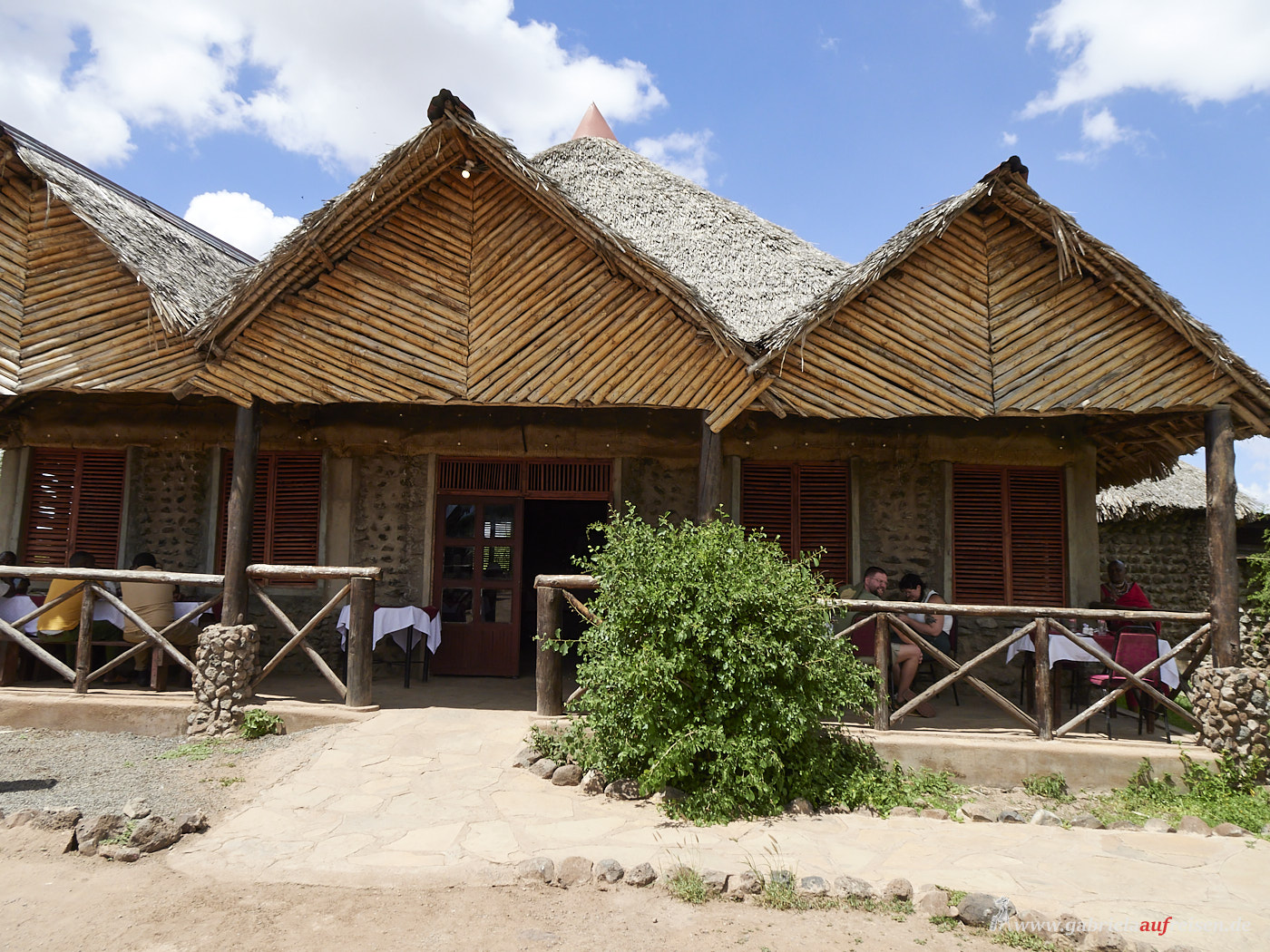
There are no toilets in the park and hardly any bushes behind which you could disappear. A lodge is located in the middle of the park, if you stay nearby, you can freshen up there. Or otherwise during the lunch break at a “rest area”, a small house where the Amboseli Sopa Lodge sets up lunch for its guests. This rest area is located just outside the park.
Animals in Amboseli National Park in Kenya
The park is not a zoo, whether and which animals you will see depends a lot on chance and on the knowledge of the guides. Many of them are well networked with others and they give each other tips via radio on where to find which animals.
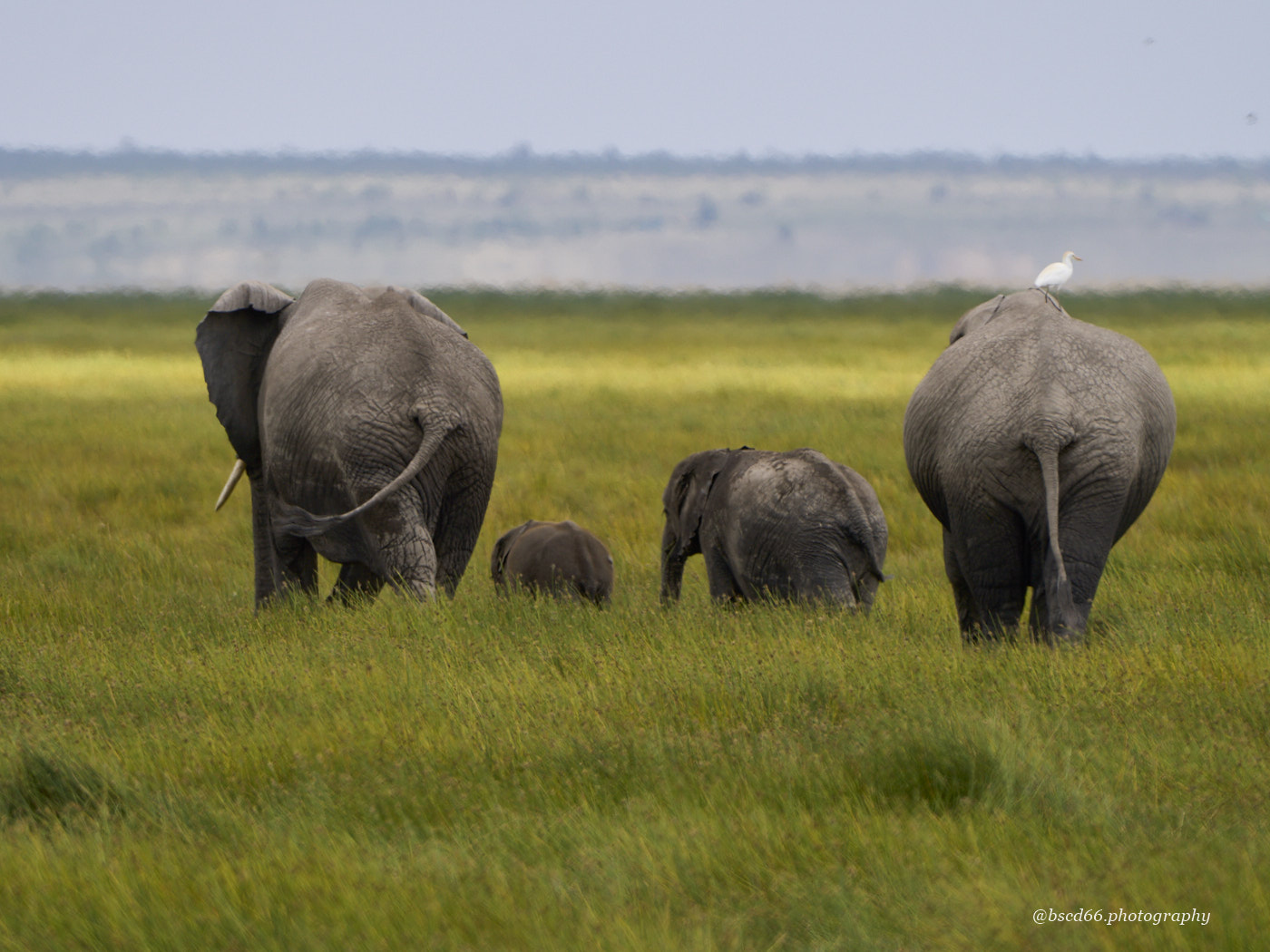
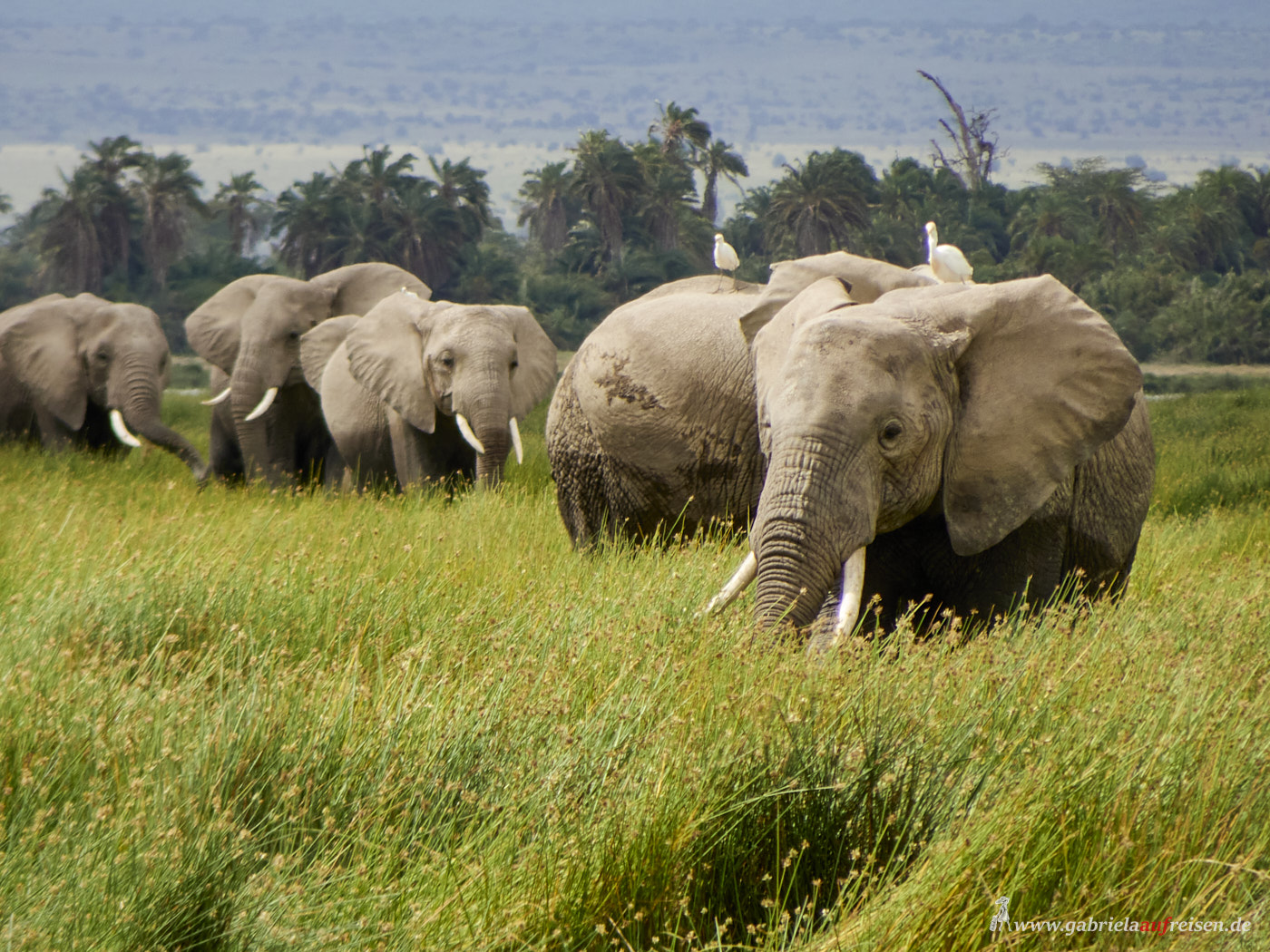
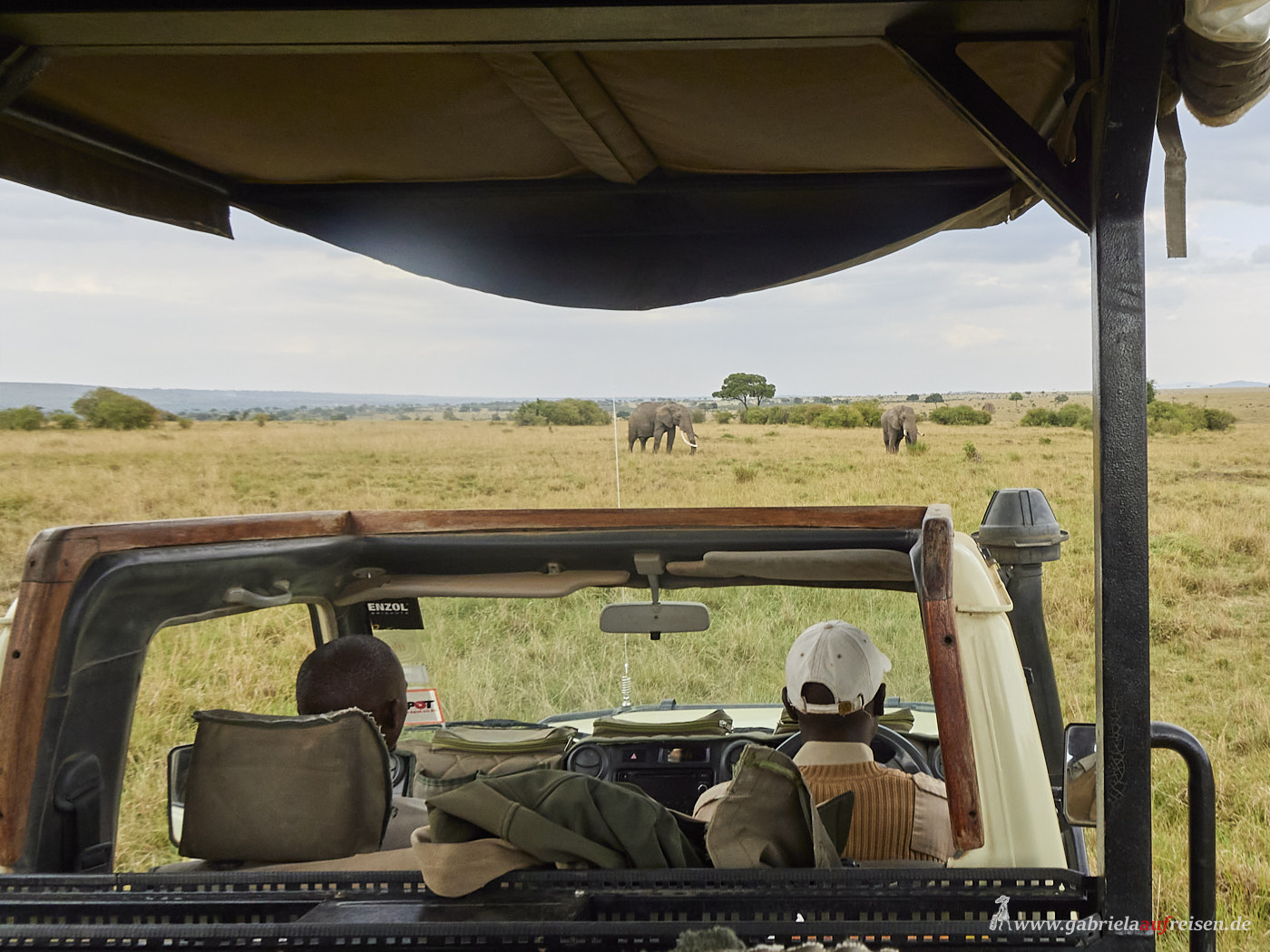
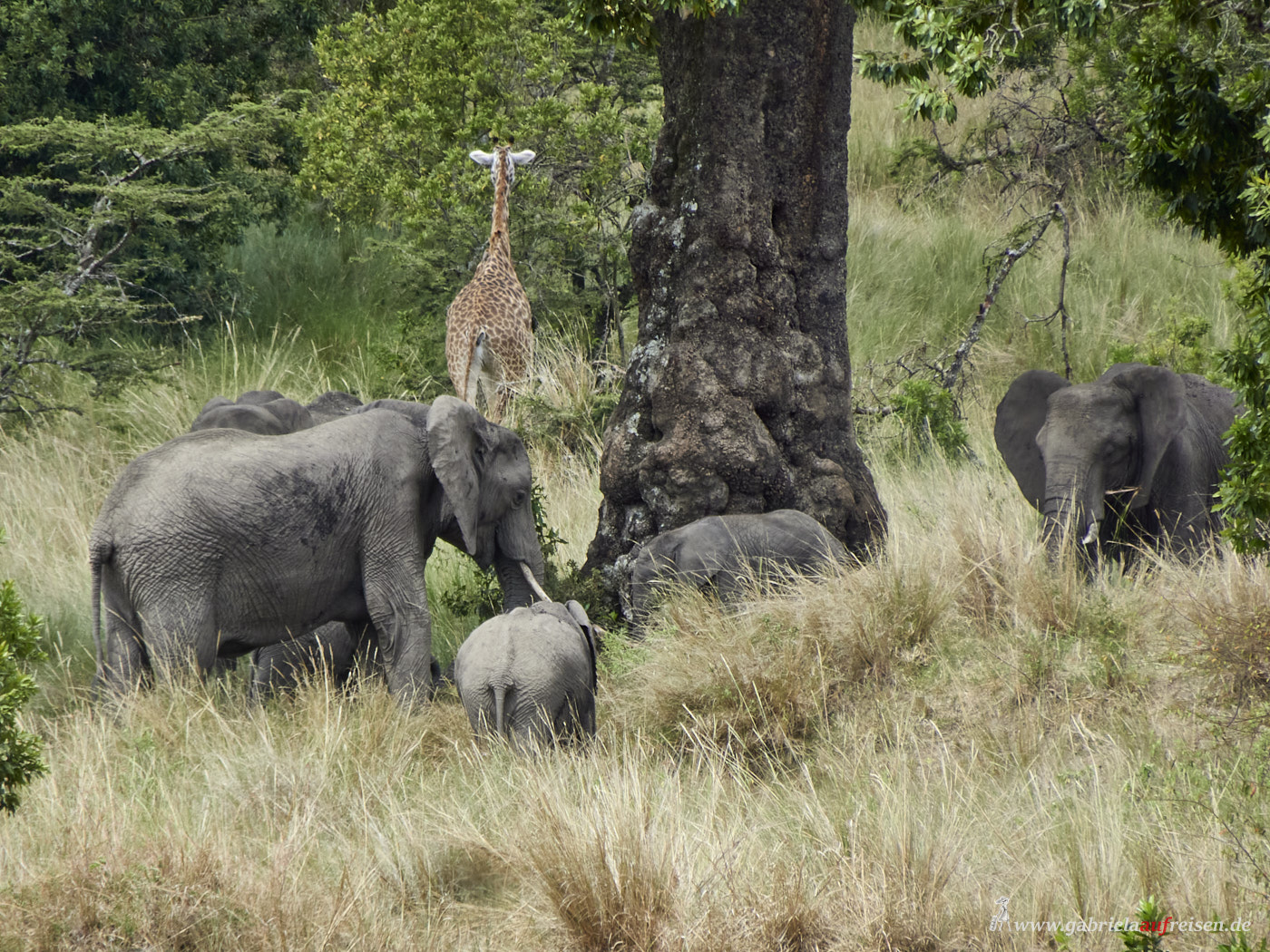
Jack knows his way around well and it doesn’t take long before we see the first large herd of elephants, for which the park is known. They love the soft grass of the swamps and sometimes stand up to their bellies in cooling water.
Again and again, we see zebras, often with their cute foals.
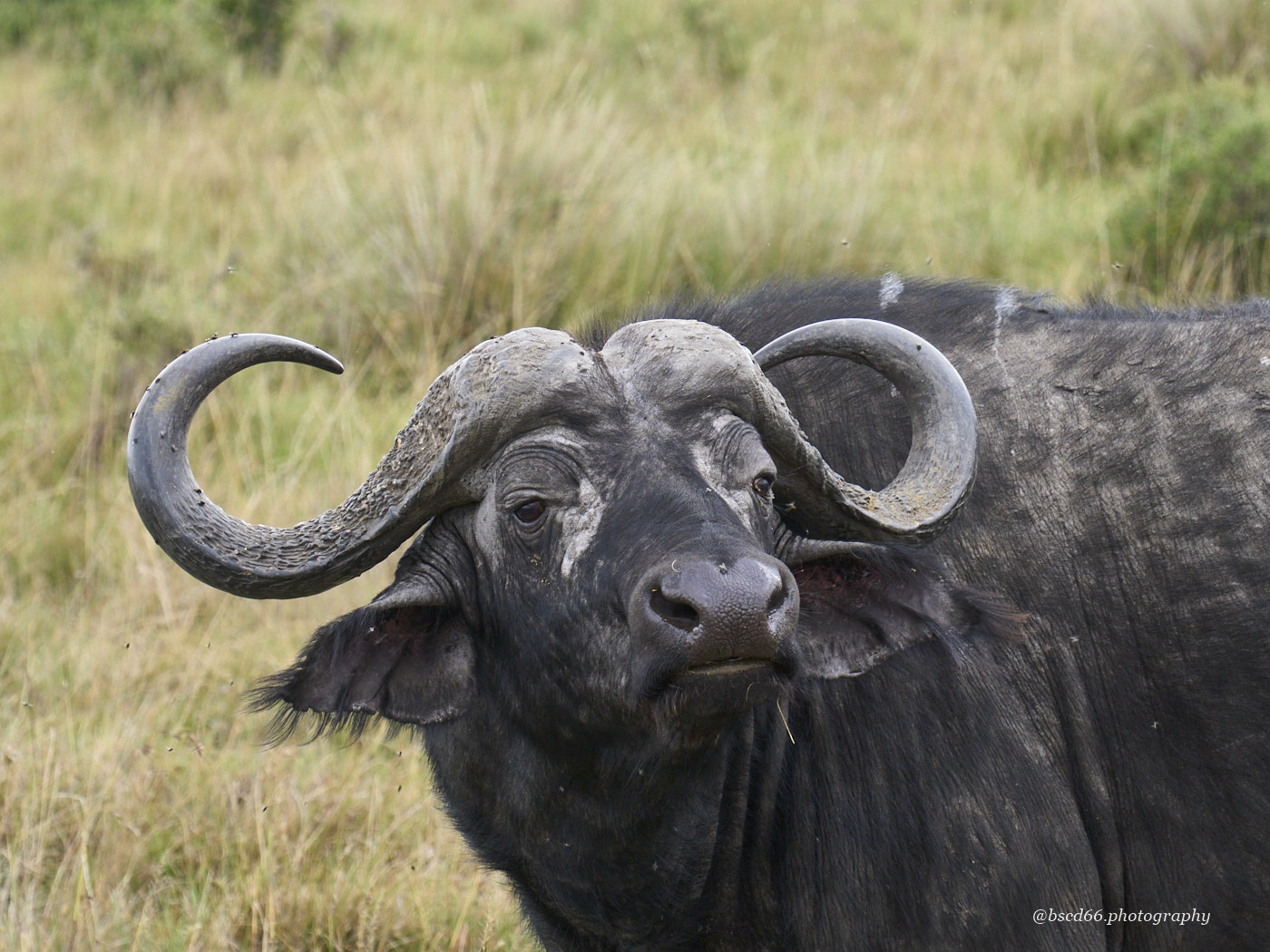
The buffaloes love the fresh grass just as much, sometimes it’s just a few bulls, sometimes larger herds.

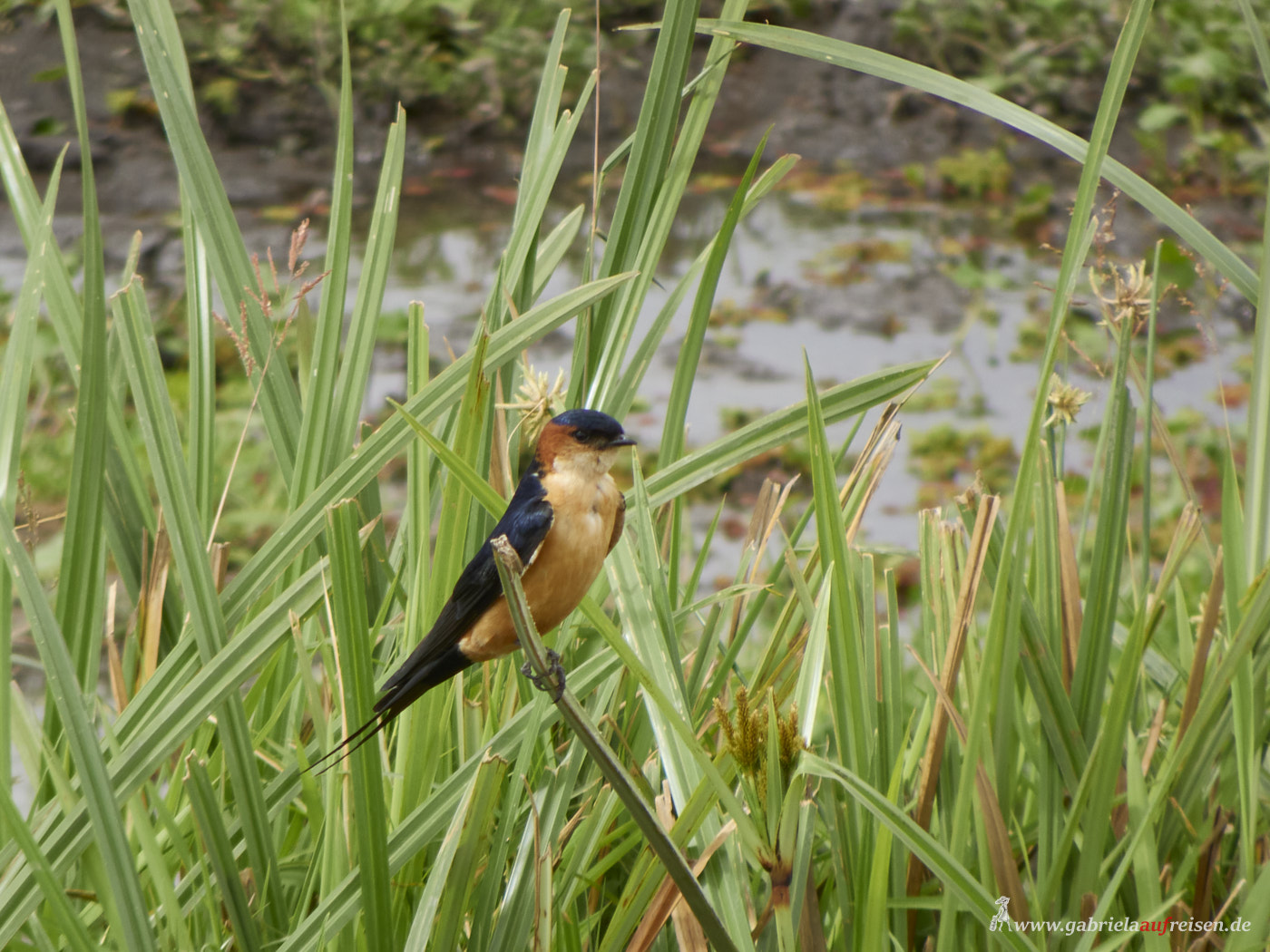
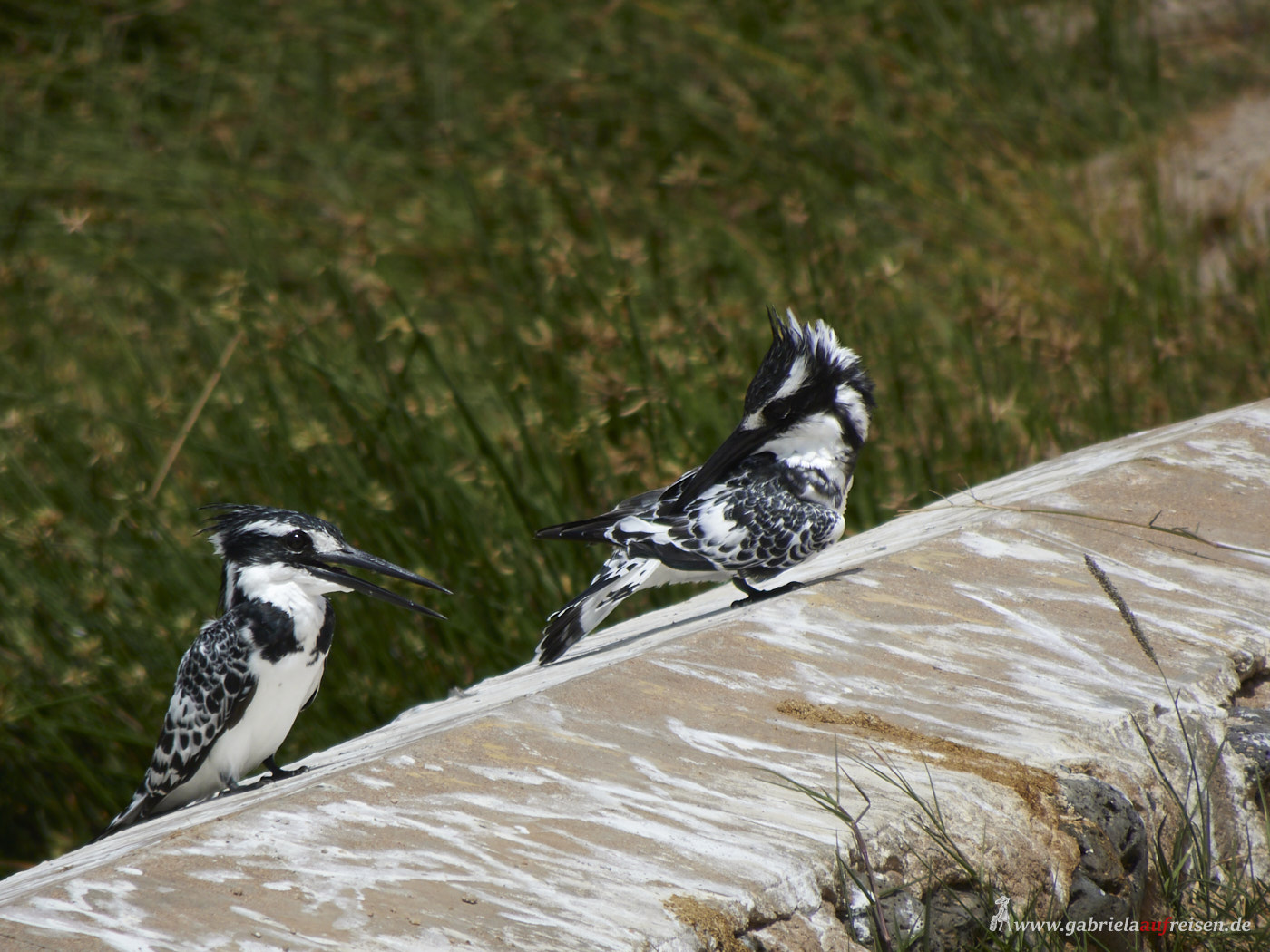
There are thousands of flamingos in several shallow lakes and many bird species find plenty of food here from large and small fish, amphibians and insects.
In total, there are probably about 300 different bird species here.
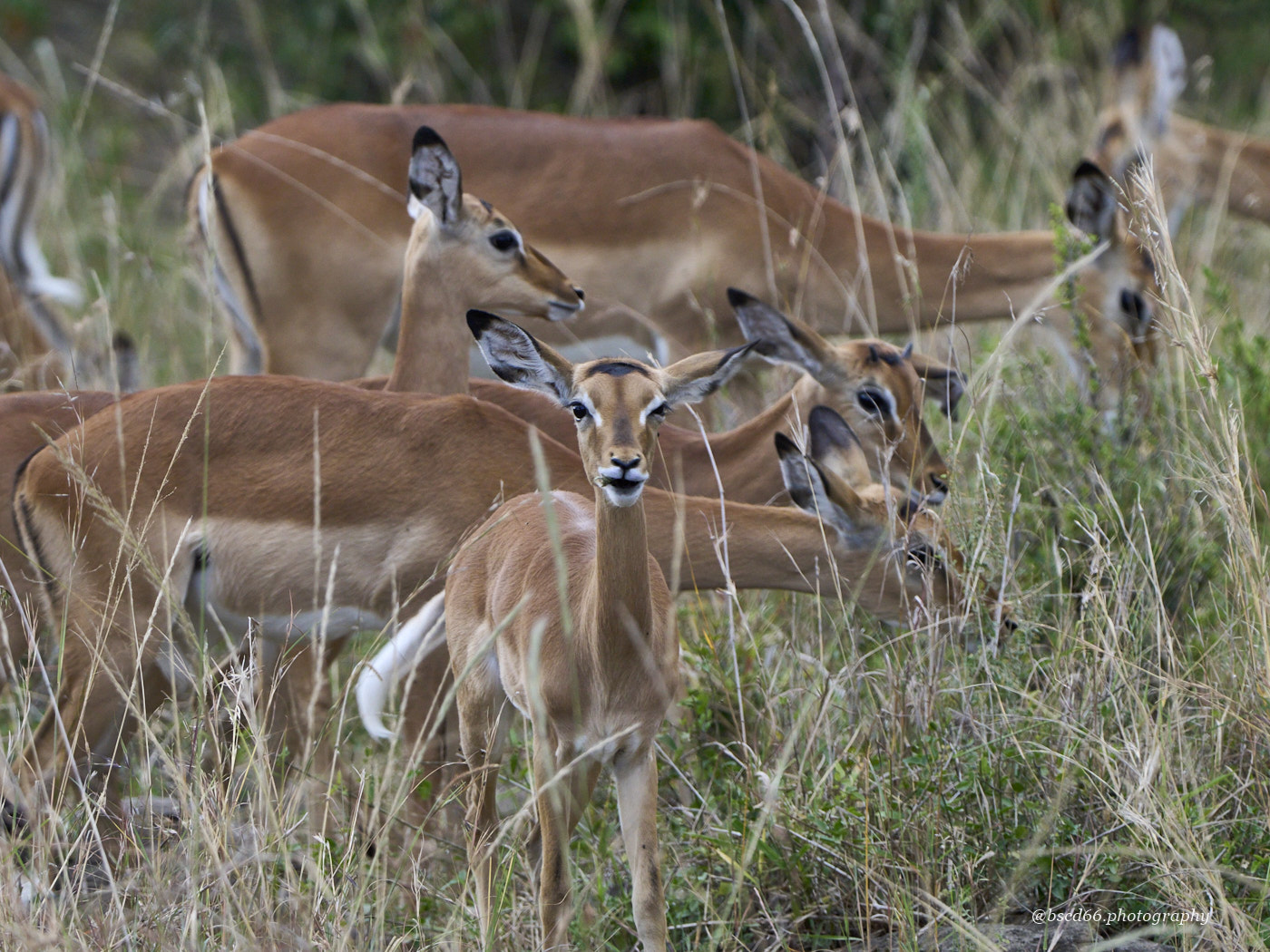
Antelopes are everywhere and in fact we also see two cheetahs that have made themselves comfortable in the distance. Hyenas also roam the area.
Wildebeest and zebras are often seen together and again and again we meet Masei men with their large herds of cows, which they are also allowed to bring into the park to graze.
We don’t get to see lions, but they can still be found in Amboseli National Park.
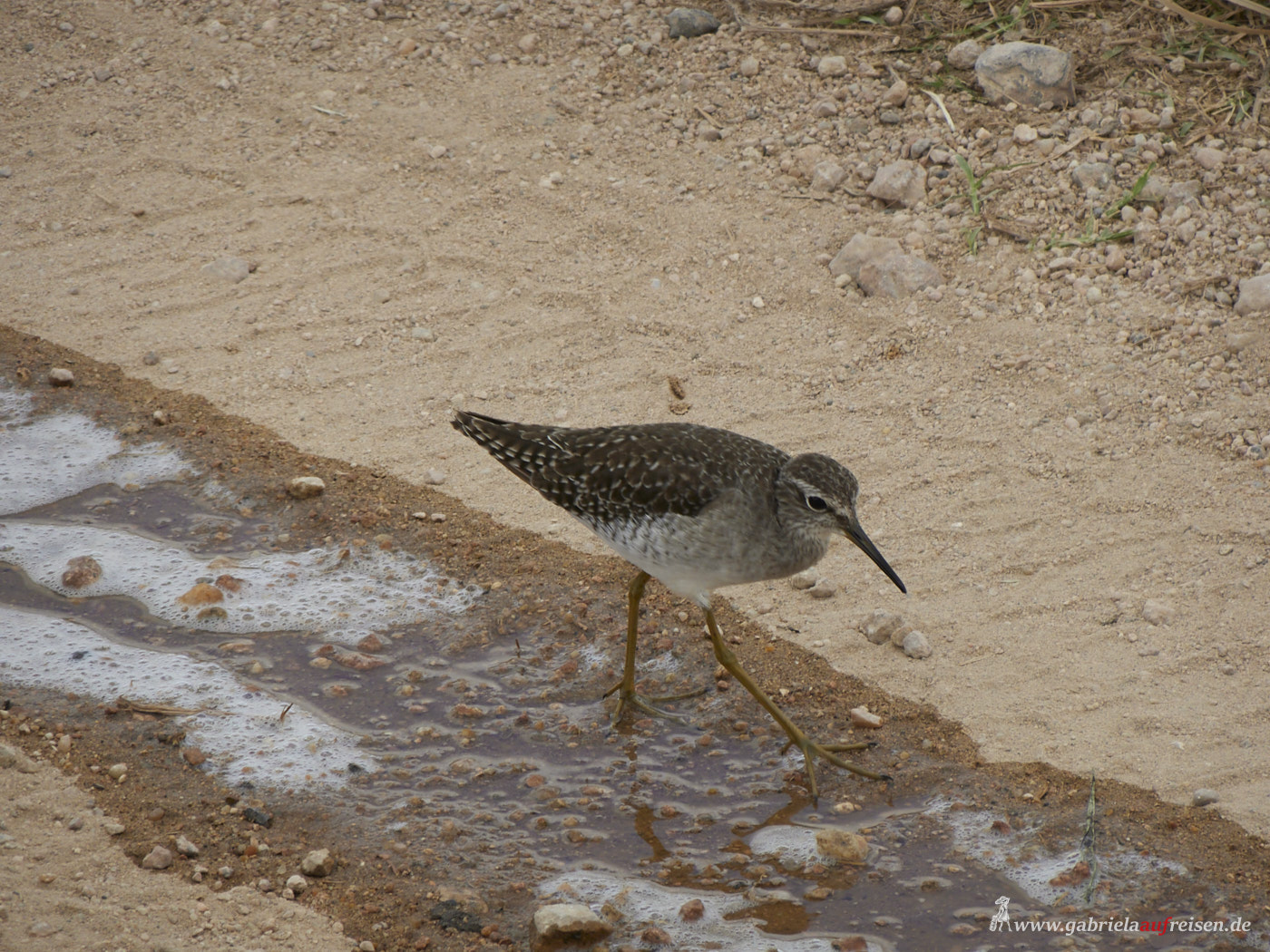
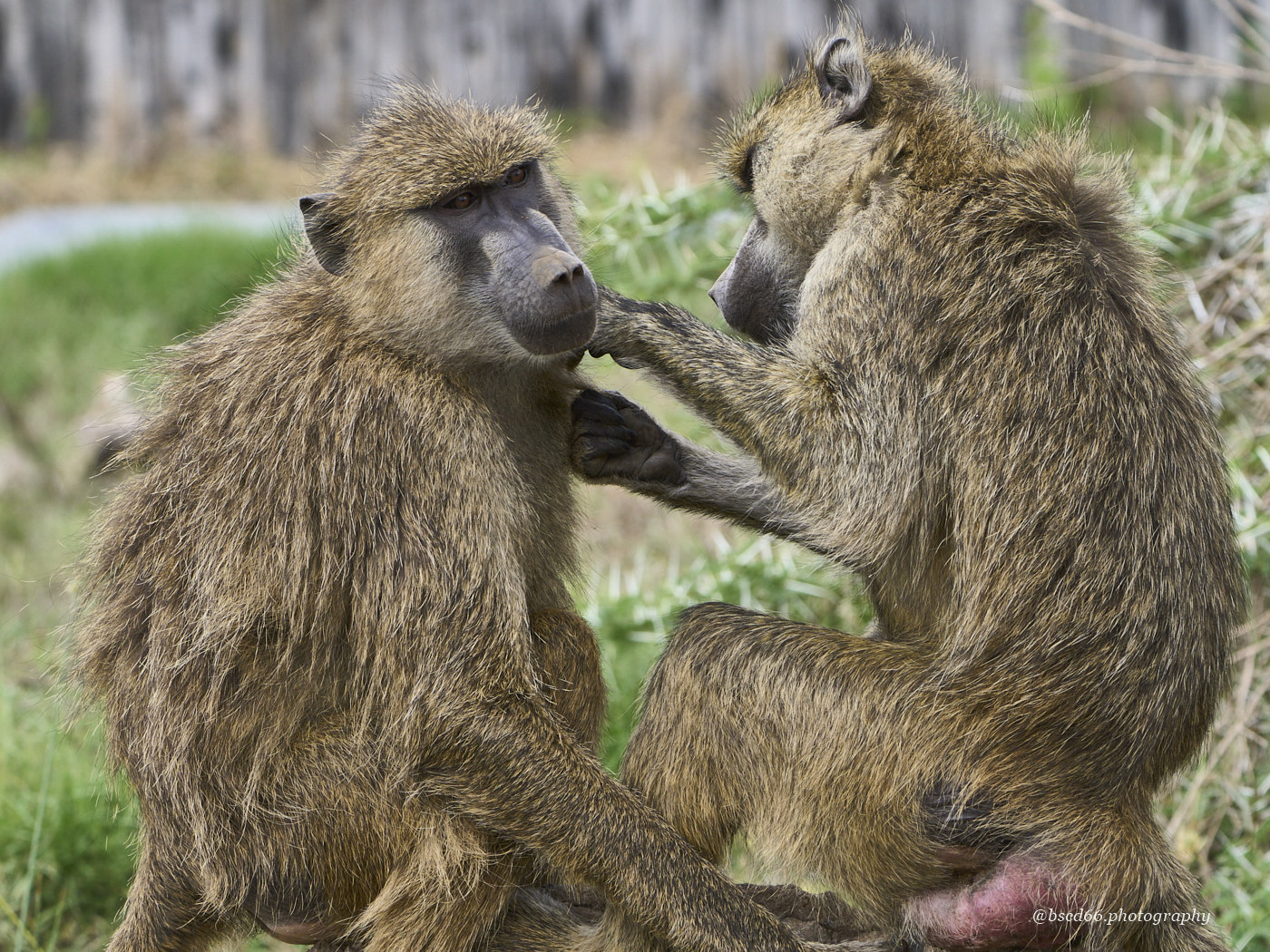
Baboons and other monkey species cross the streets again and again.
Warthogs run into us often enough. Everyone here just calls her Pumba. Pumba is a word from the Swahili language and means something like stupid or simple-minded. Warthogs have an extreme short-term memory and forget what they actually wanted after eight seconds. If they are hunted by lions, for example, that is of course rather bad for them… therefore, they usually move at a not too great distance around their underground burrow, into which they can then quickly escape. Always with the buttocks first, so that they can present their dangerous tusks to an enemy right away.
We don’t get to see lions, but they can still be found in Amboseli National Park.
Baboons and other monkey species cross the streets again and again.
Warthogs run into us often enough. Everyone here just calls them Pumba. Pumba is a word from the Swahili language and means something like stupid or simple-minded. Warthogs have an extreme short-term memory and forget what they actually wanted after eight seconds. If they are hunted by lions, for example, that is of course rather bad for them… therefore, they usually run around their underground burrow, into which they can quickly escape. Always with the buttocks first, so that they can present their dangerous tusks to an enemy right away.
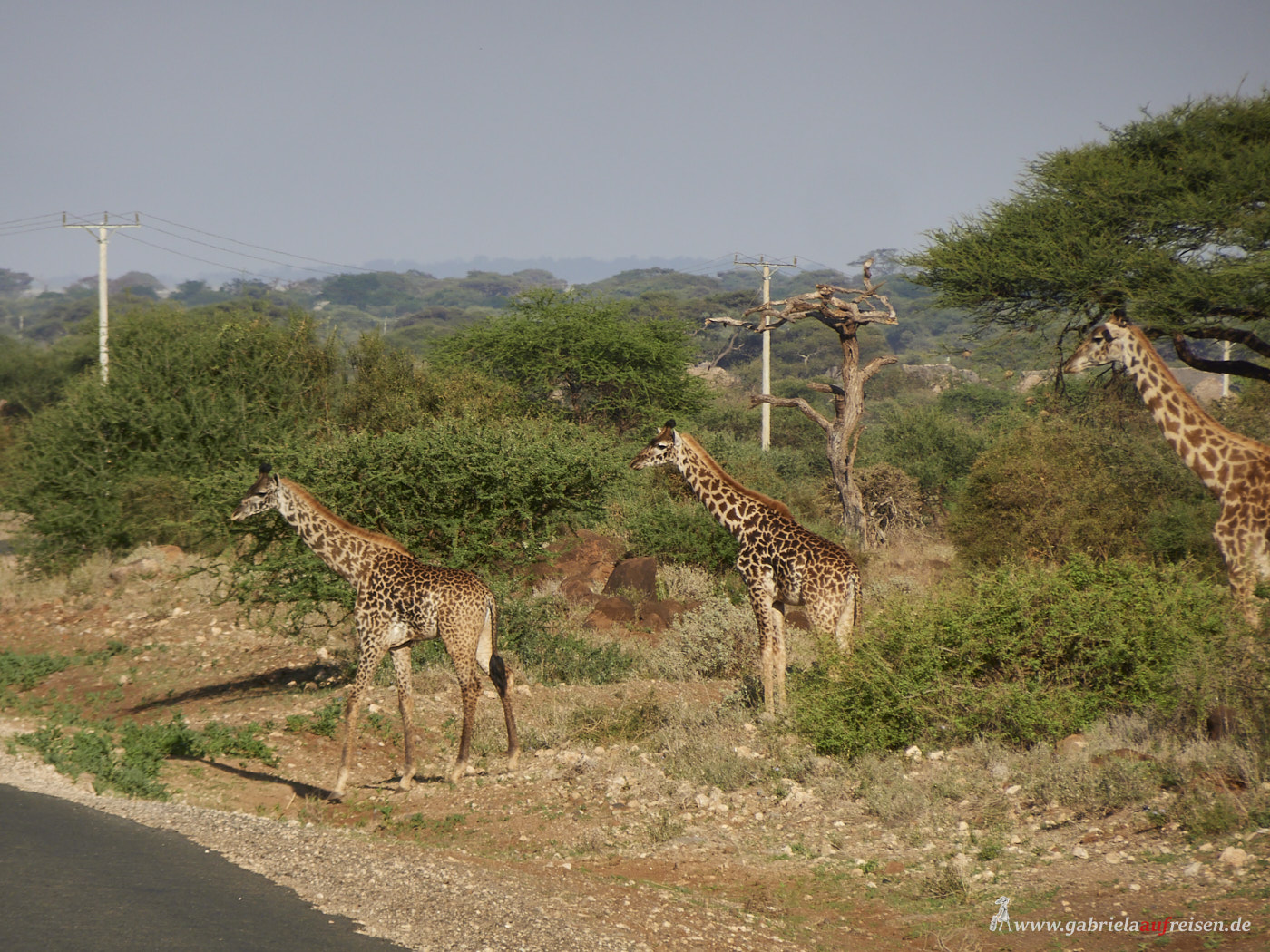
The park isn’t fenced, so all the animals roam freely.
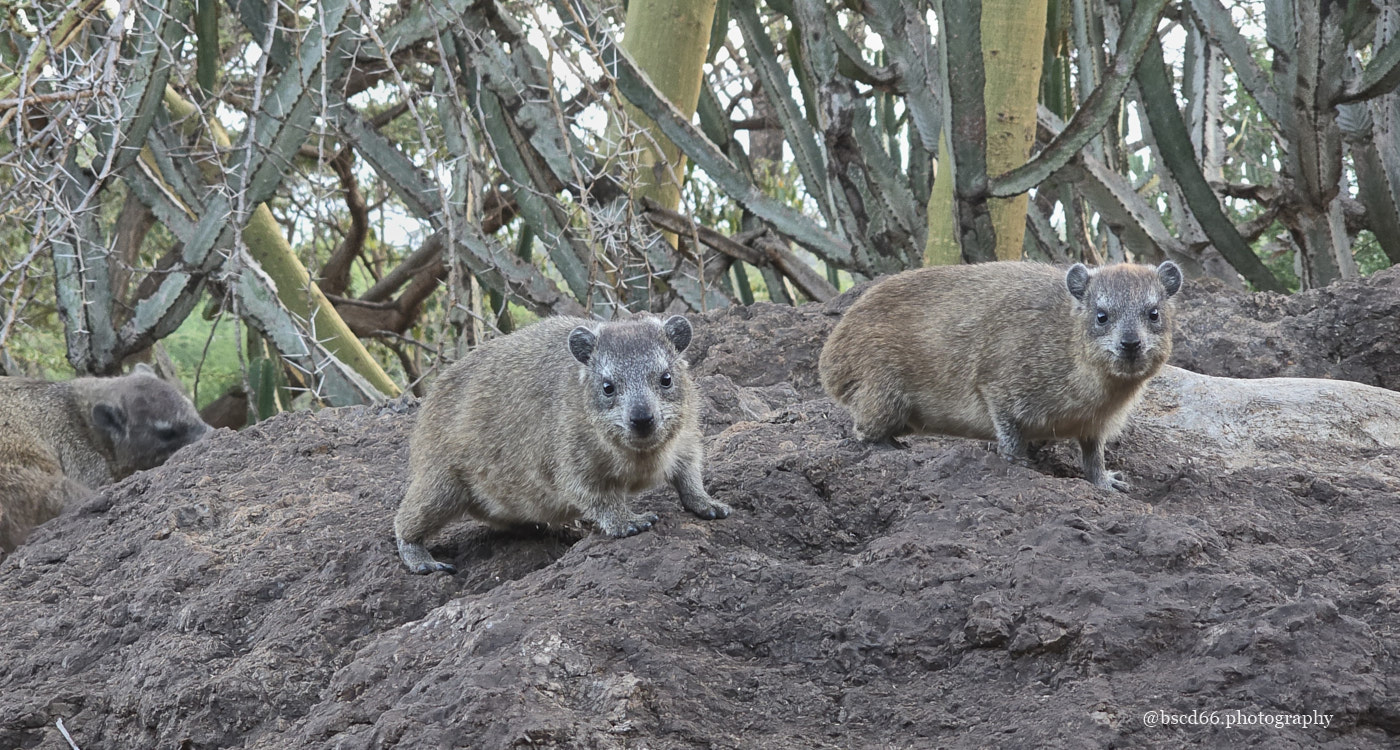
So, you might find giraffes in the hotel garden in the morning, and the amusing mongooses frolic around the grounds.
After three nights, we set off early the next morning with Jack to
Lake Naivasha in Kenya
After five long hours on mostly congested roads, we arrive at Lake Naivasha. The entire area used to be a national park in Kenya, but unfortunately, its protected status was revoked, and now many people live in this fertile region. The animals living here have to adapt and therefore often venture into the hotel grounds and move between the settlements in search of food.
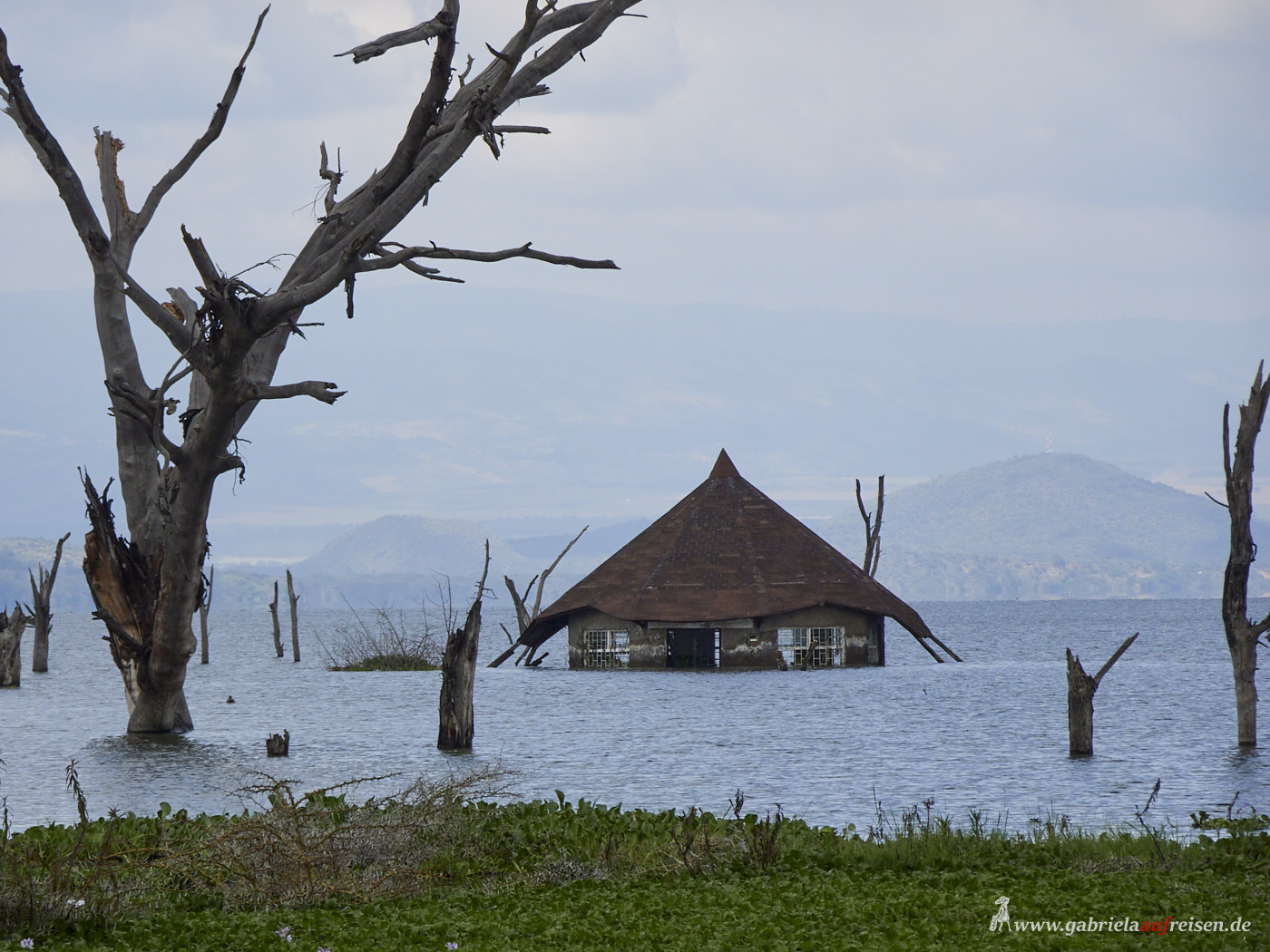
The lake is located in a depression, at a still active volcano and as Jack told us, the lake is fed by an underground tributary.
It has rained a lot here in recent years, so the lake is spreading further and further. It has no natural drainage, so the water level has now risen by two meters. The deepest point in the lake is about 30 meters. Unfortunately, many houses, entire villages and lodges have already been flooded in this way. In some cases, only the roofs protrude from the water.
Animals at Lake Naivasha
We take a boat tour across Lake Naivasha. The animals that can be found here around the lake have to adapt to people and their habits. We meet pumba families, giraffes, antelopes, zebras and of course the baboons that can be found everywhere in Kenya. Waterbucks can be found in large numbers at the lake.
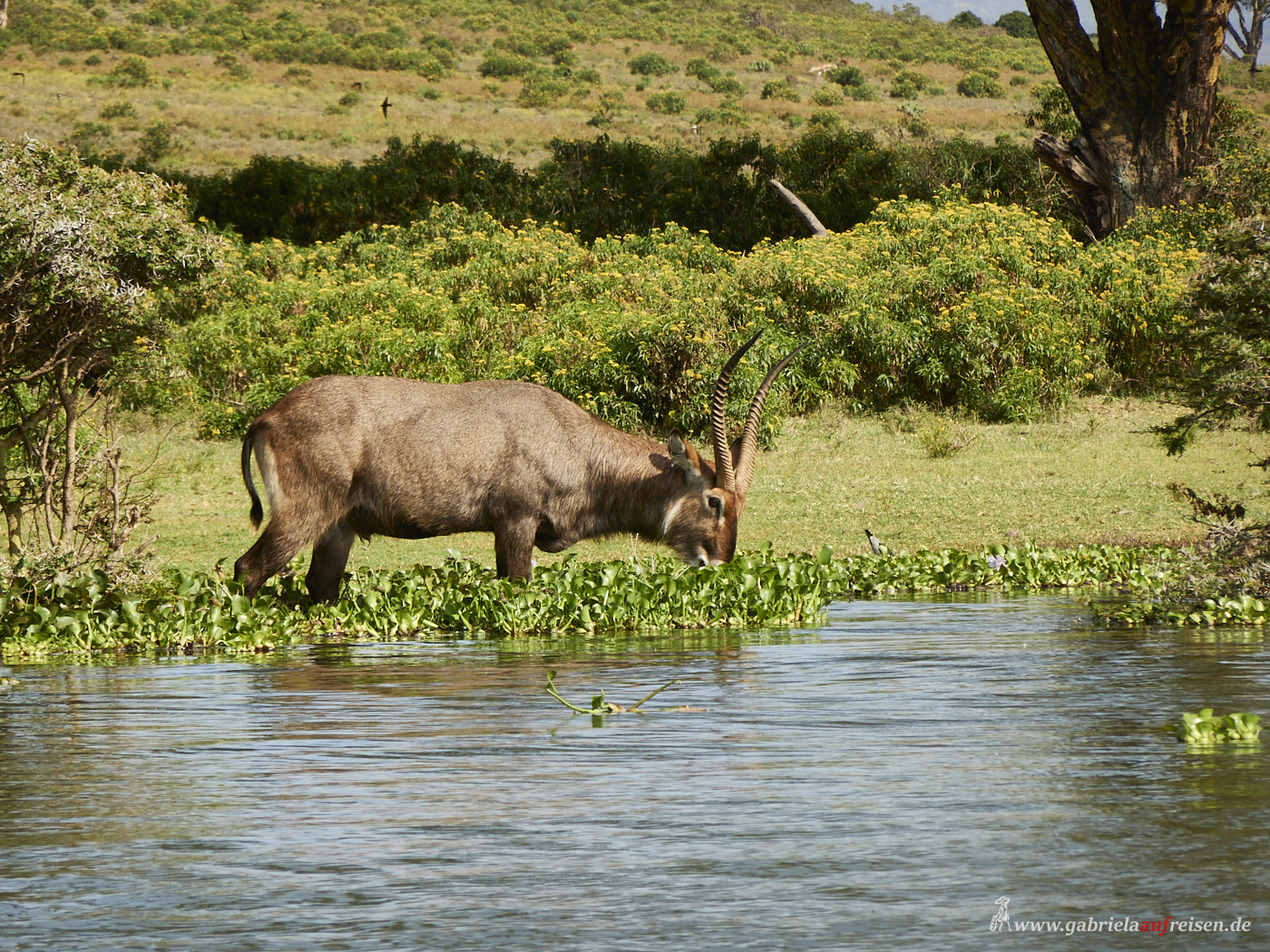
Our boat tour leads us to a quite large island in the lake, which is under nature conservation. It is now also partially flooded but still has enough space for the numerous animals living here.
We are not allowed to go ashore, but from the boat we can observe the waterbucks, antelopes, giraffes, wildebeests, zebras and many water birds, such as pelicans and flamingos. Many ospreys also have their territory here, as well as cormorants, which like to spread their wings to dry their plumage.
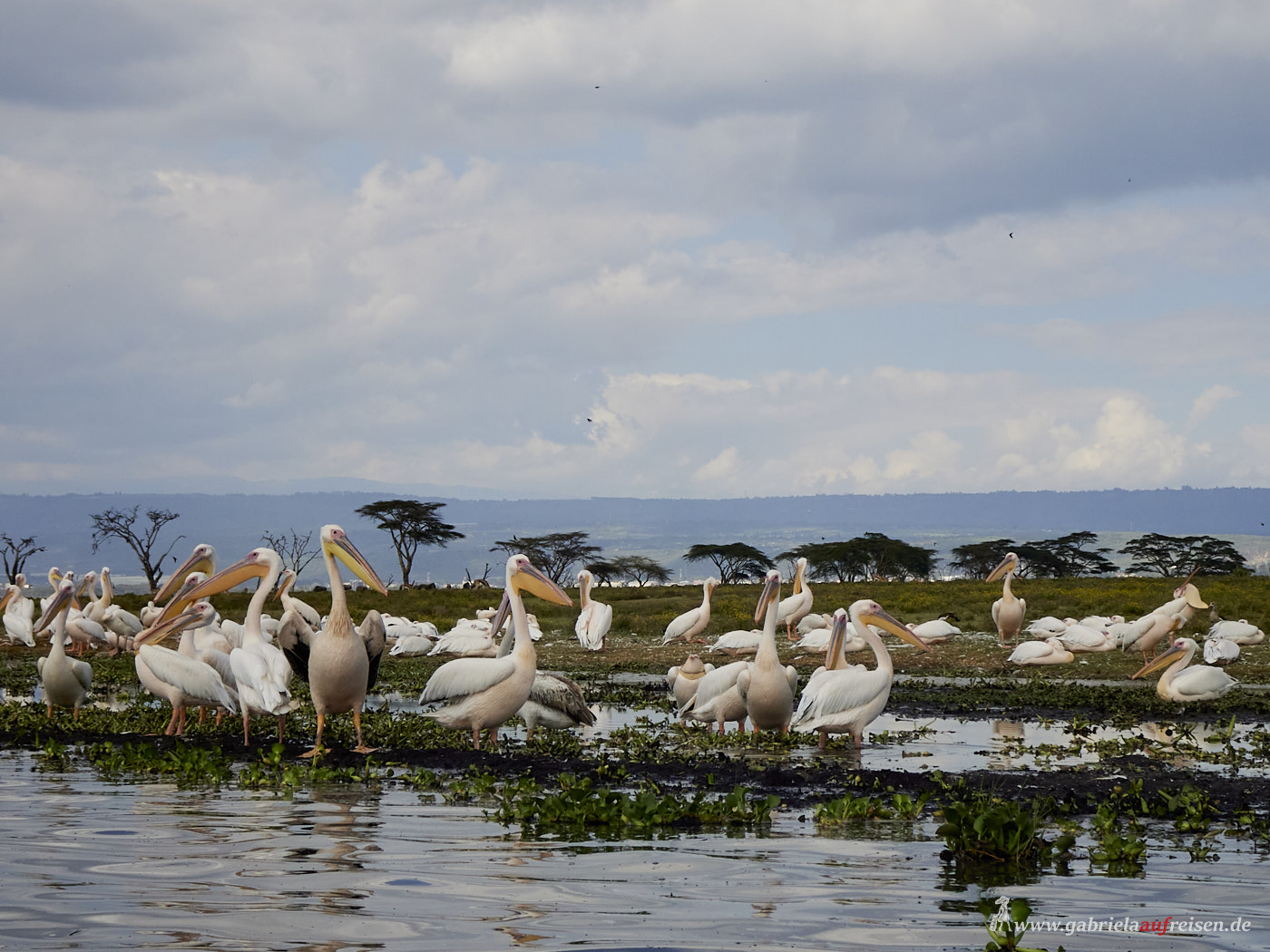
The lake is quite rich in fish, so that not only the local fishermen always make a good catch, but also the water birds.
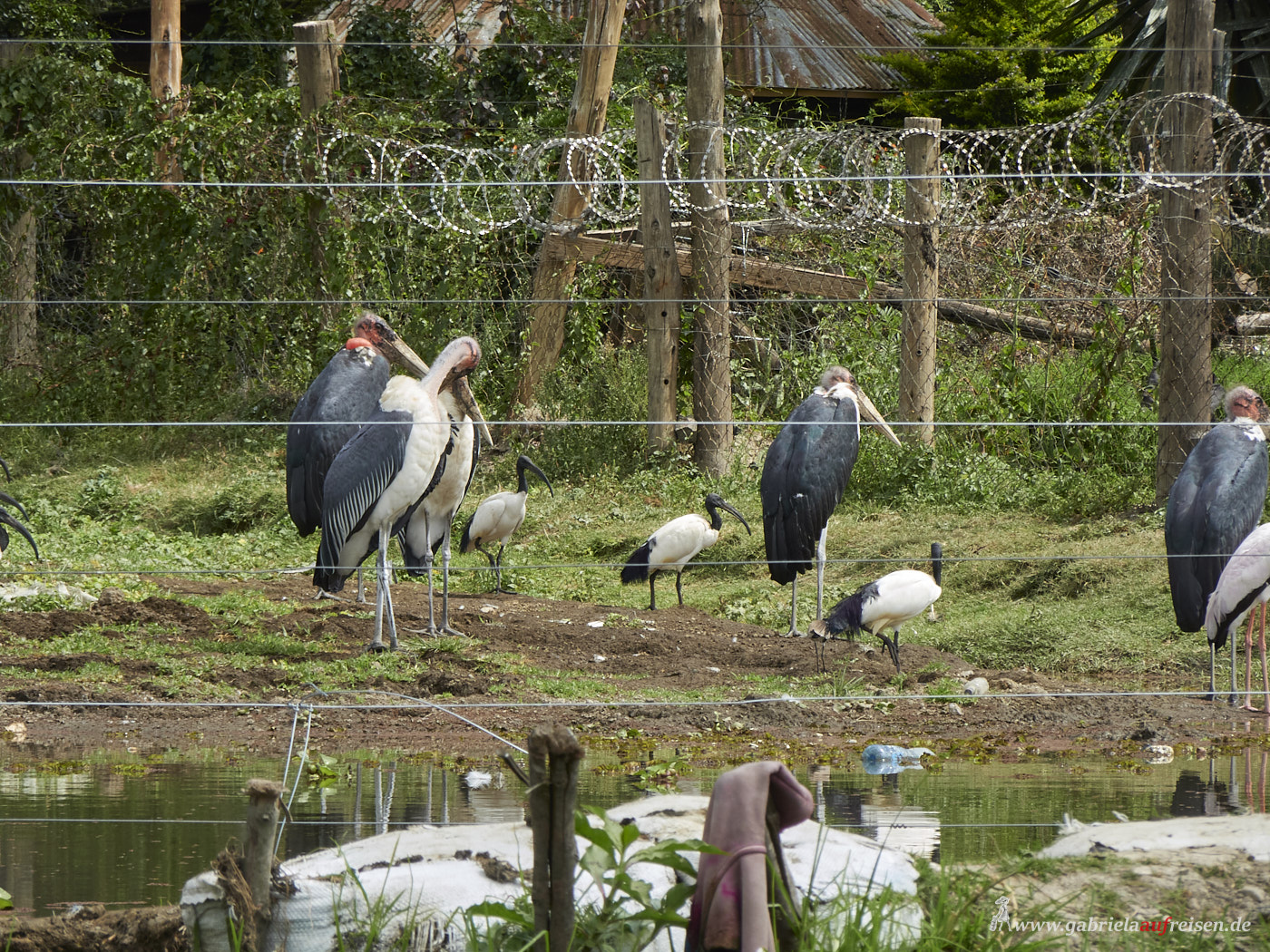
The hippos also like to stay at the edge of the lake, which then come ashore at night to graze.
Lake Naivasha Sopa Resort
Here we will spend two nights of our stay in Kenya. The Lake Naivasha Sopa Resort is located directly on the lake and has already had to give up land to the spreading lake. There is still enough garden space, but no one wants to see this lodge sink into the lake.
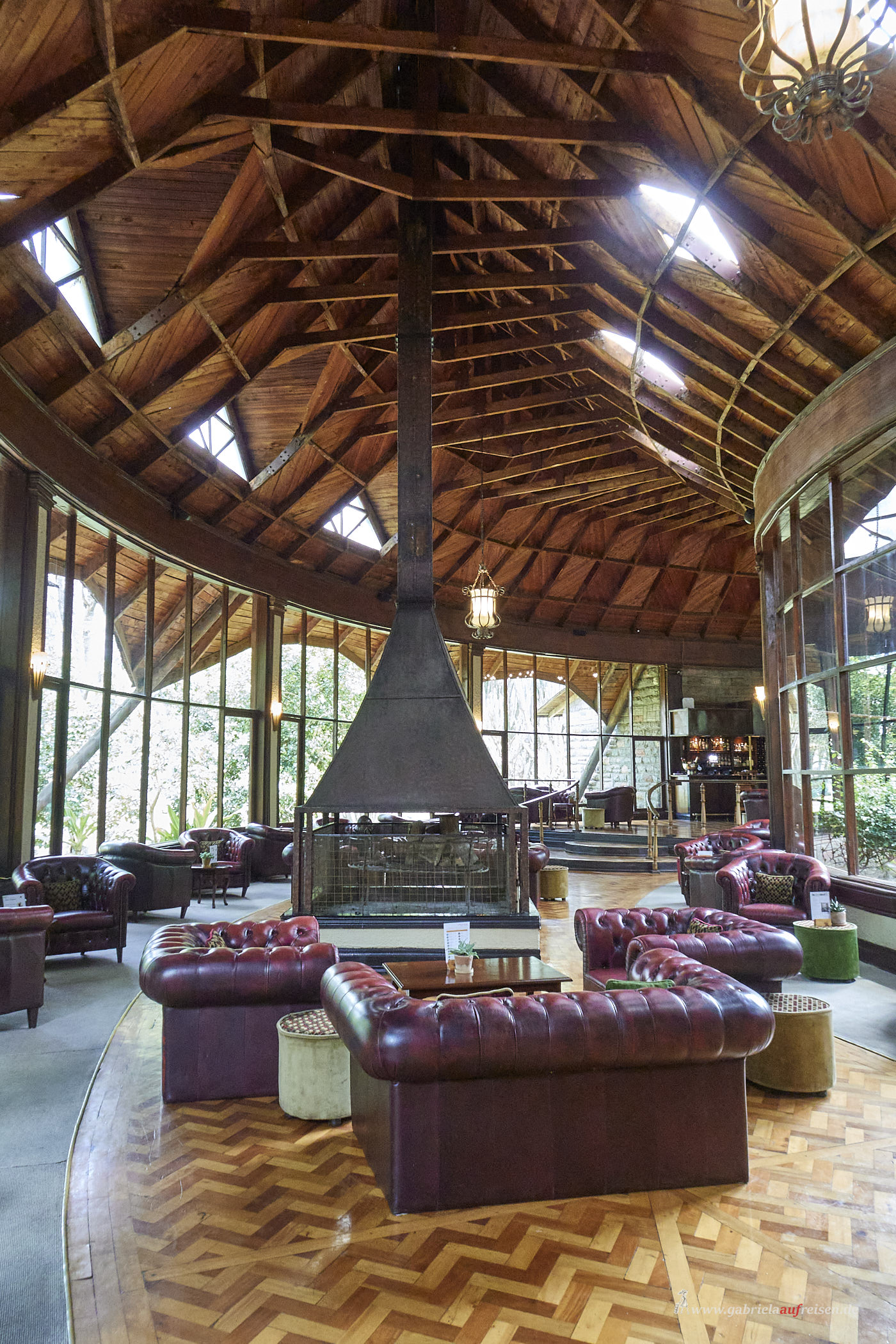
We are warmly welcomed and after check-in we can go straight to lunch. All meals are offered as a buffet and offer a wide variety of meat, fish and vegetarian options. Some dishes are always prepared à la minute.
Each guest gets his permanently assigned table, so that there is always room for all guests.
After dinner we will go to our room. All rooms are housed in individual small houses in African style, always two rooms downstairs and upstairs.
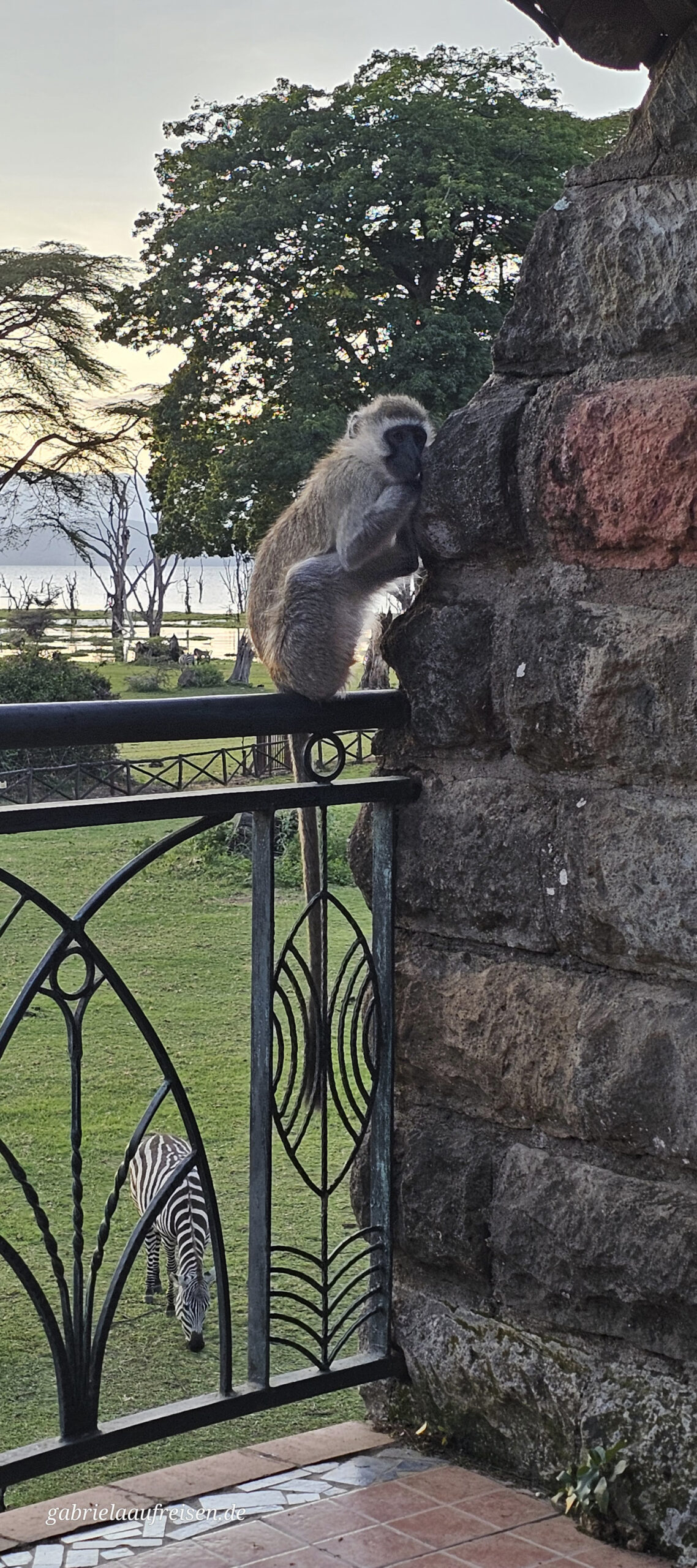
Ours is quite far back, near the lake. Many zebras, including foals, roam freely in the enclosure, as do waterbucks and giraffes. They are not shy, but you should keep your distance, they are not tame animals! They choose where they want to stay and can leave the hotel complex at any time. At night, the hippos also come ashore. In this area, the garden is protected by an electric fence, so that guests can still move around the complex without fear.
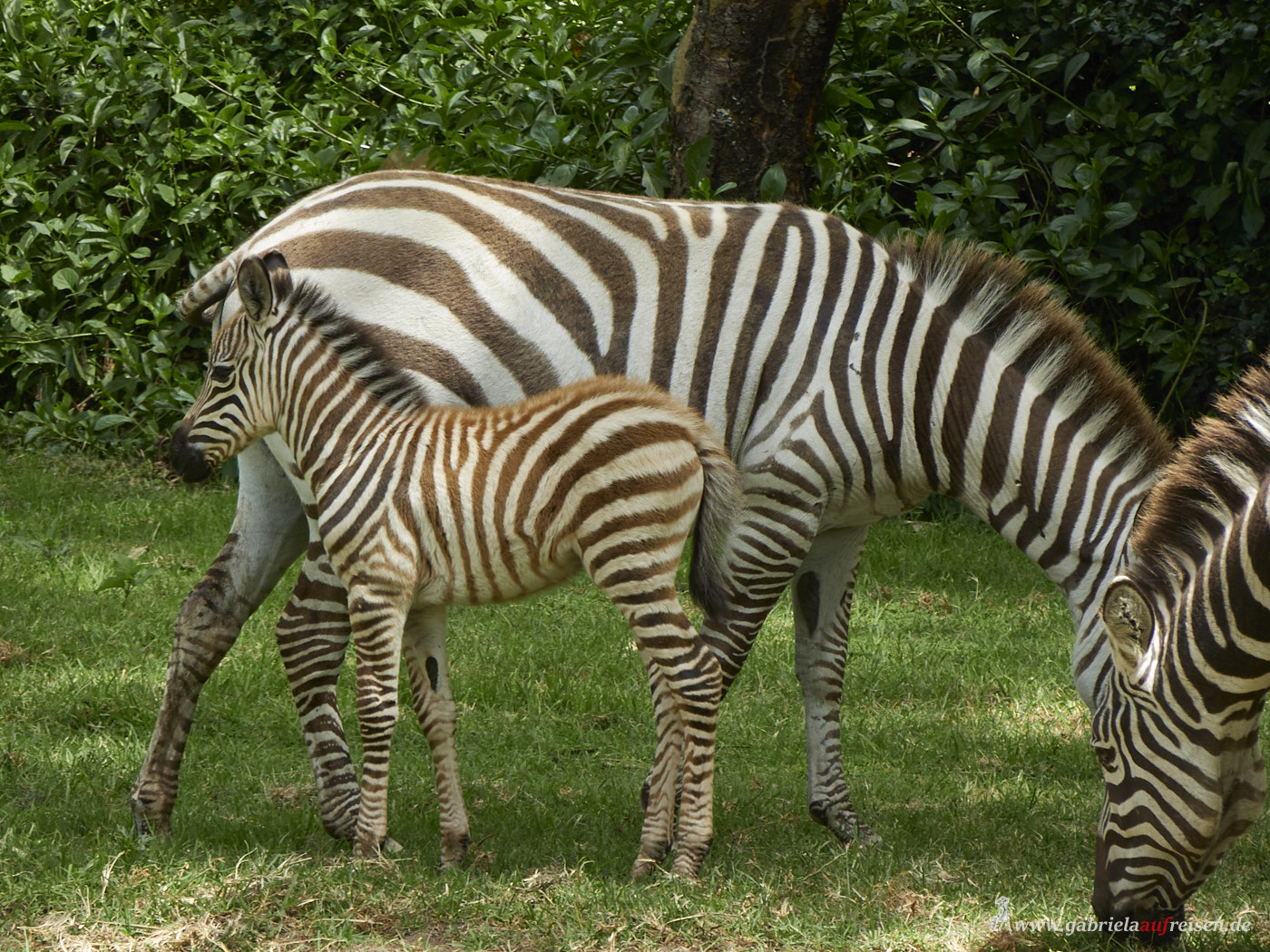
We enjoy a coffee on our balcony and get a visit from a little monkey who looks to see if we haven’t accidentally left a treat lying around.
Head to the Masai Mara North Conservancy
The spelling for the Masai Mara is different, sometimes you can also see Maasai Mara. Both are possible.
Again, we have a long drive ahead of us. The first three hours of the five-hour drive take us through different vegetation areas. Some of them are very green, then again very dry. Every now and then we see zebras and giraffes along the often-busy roads.
Then we turn off and continue on incredibly bad sand and gravel paths. Many people live here and it takes quite a long time before the huge open areas of the Masai Mara can be seen.
In the Masai Mara Conservancy in Kenya, the Masai are allowed to graze their sometimes-huge herds of cows, sheep and goats. The areas are privately owned, and the operators of the lodges pay rent to be able to do the game drives or safaris with their guests there. There are agreements on where the Masai herds are allowed to graze and where nature is left to its own devices. So, there is a win-win situation and everyone benefits from it.
Animals in the Masai Mara
The Masai Mara is located on the Mara River, which huge herds of zebras and wildebeest have to cross twice a year on their migrations, the “Great Migration”, from the Serengeti in Tanzania to Kenya to find fresh pastureland.
The “Great Migration” usually takes place from June to July and of course attracts not only many tourists, but also many big cats and crocodiles, which now have an easy time with the grazers.
Nevertheless, not all zebras and wildebeest go on this migration, as we were told in Tanzania last year, many stay there even if they live near a river that carries water all year round.
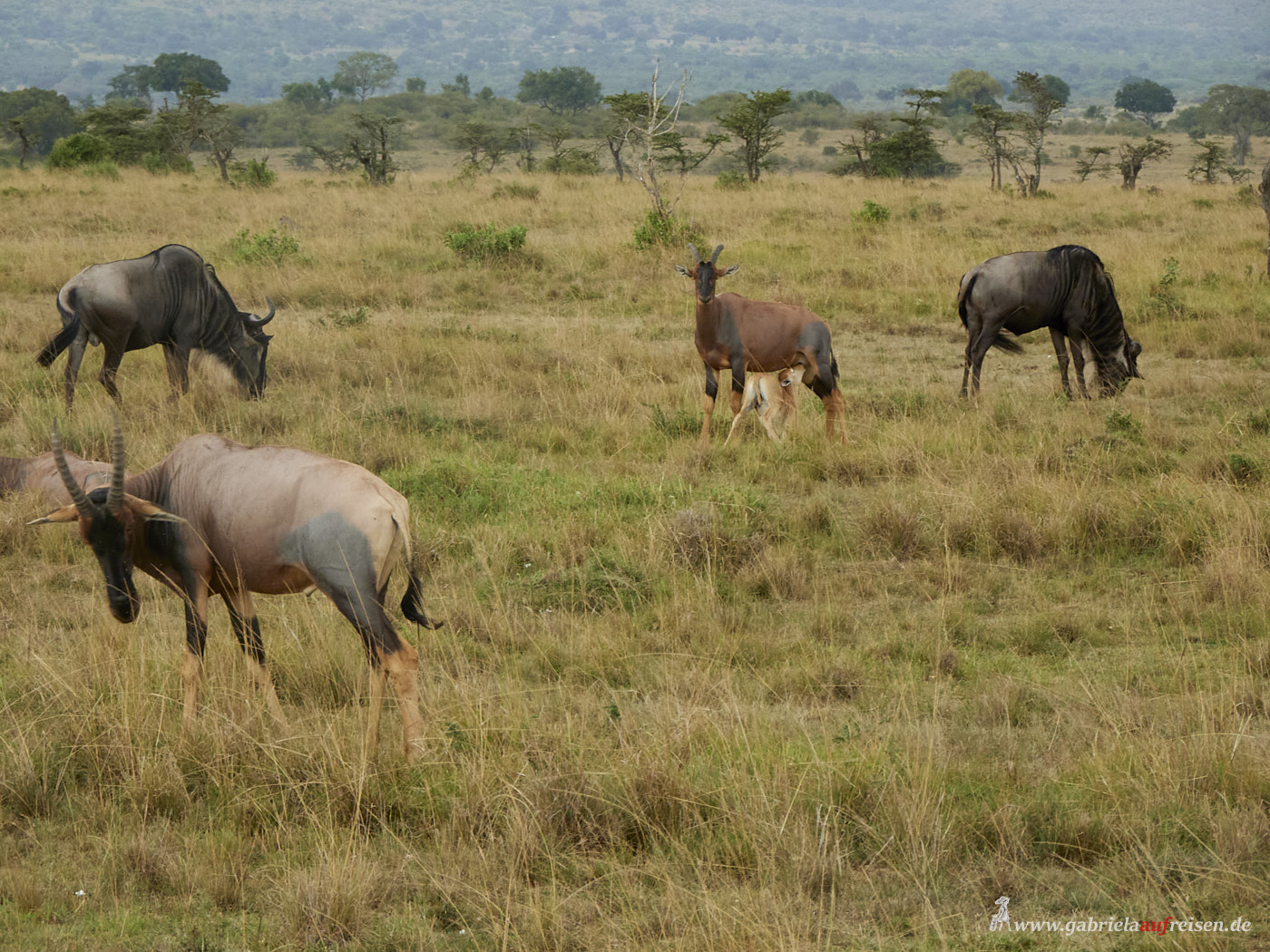
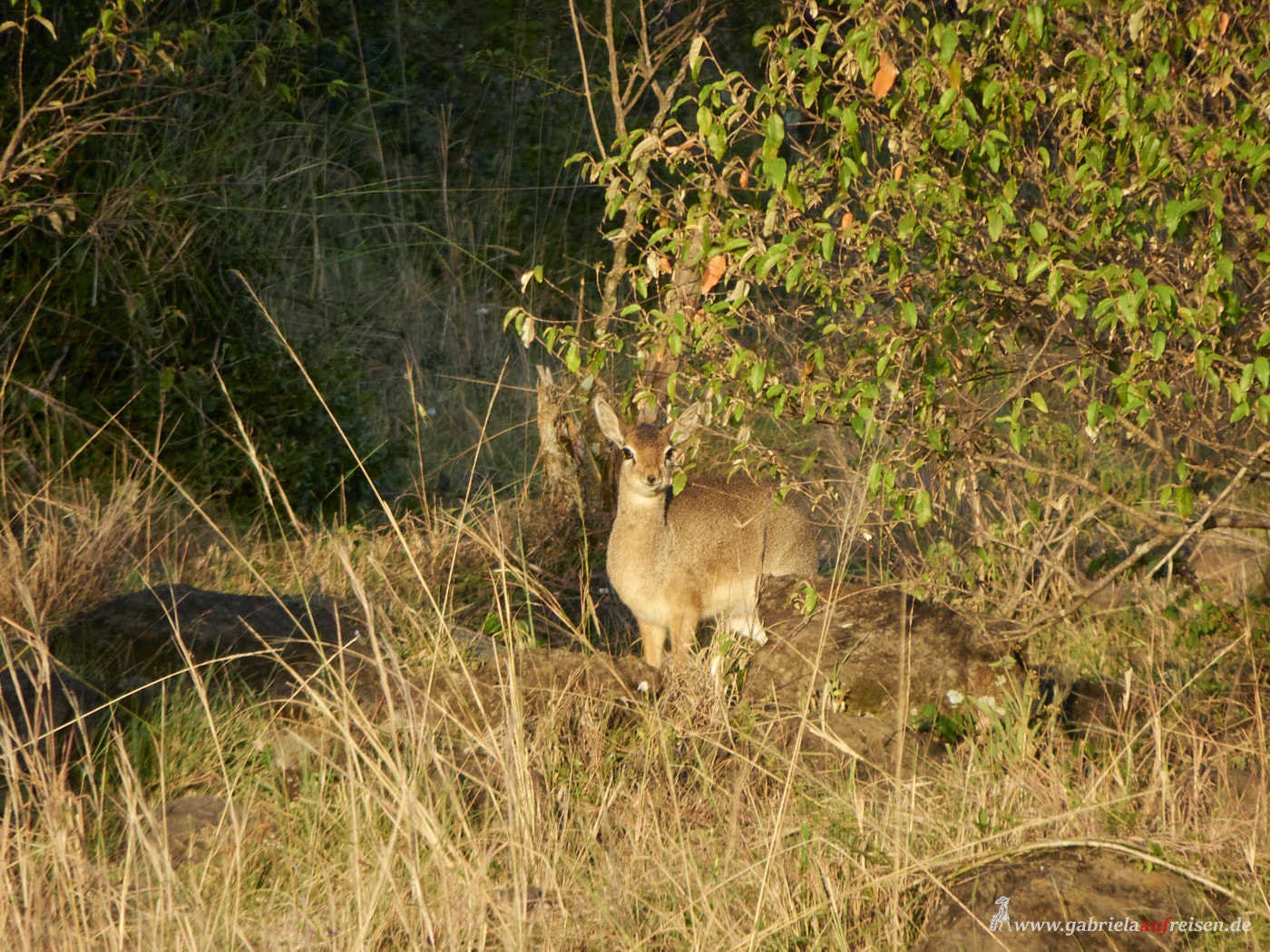
Elephants roam the country. Usually not in herds as big as in Amboseli National Park, but we see them on every game drive. Buffaloes are on the move, we experience many wildebeests, antelopes, topis (a subspecies of the lyre antelope), zebras, baboons, pumbas and mongooses.
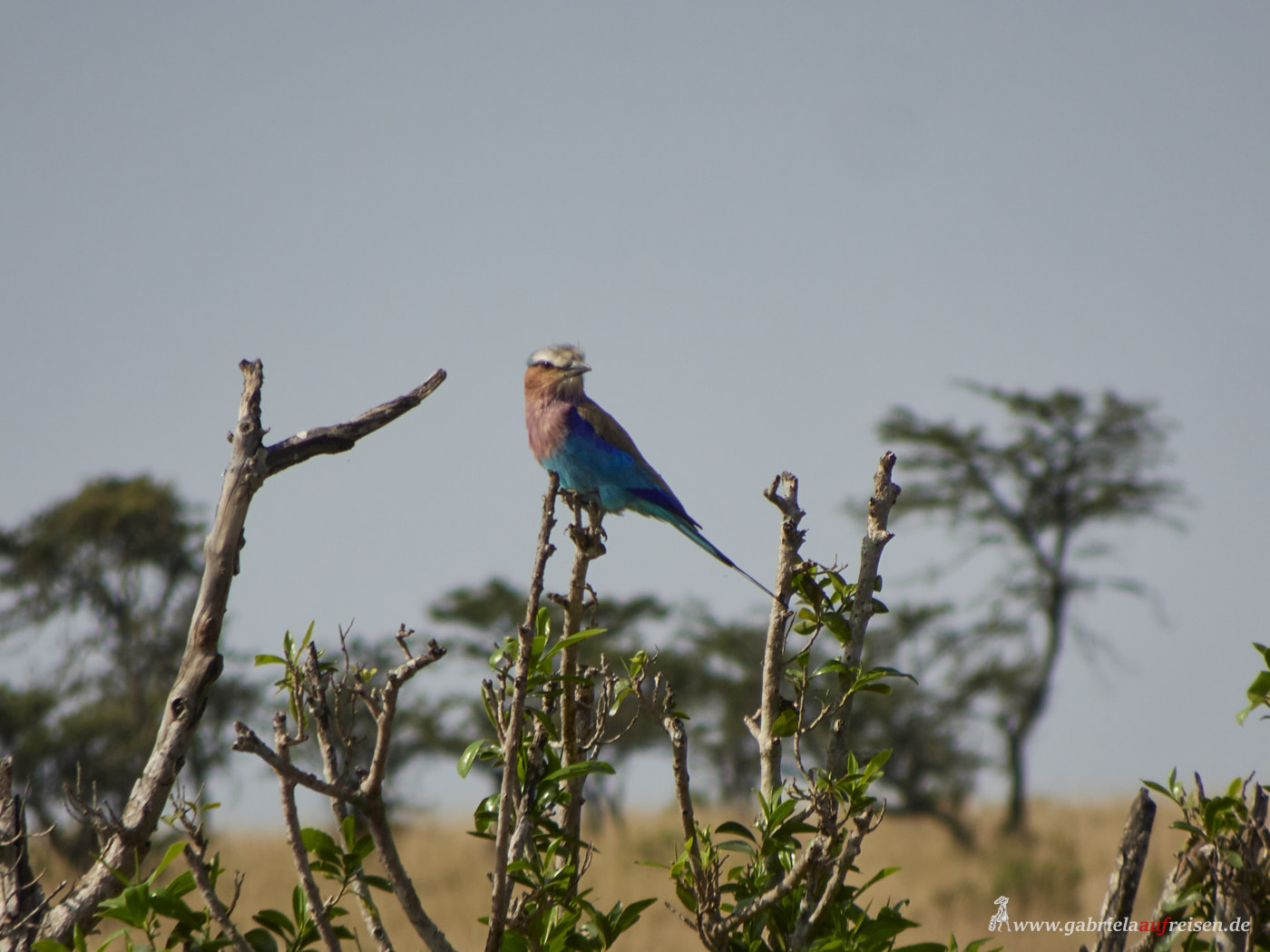
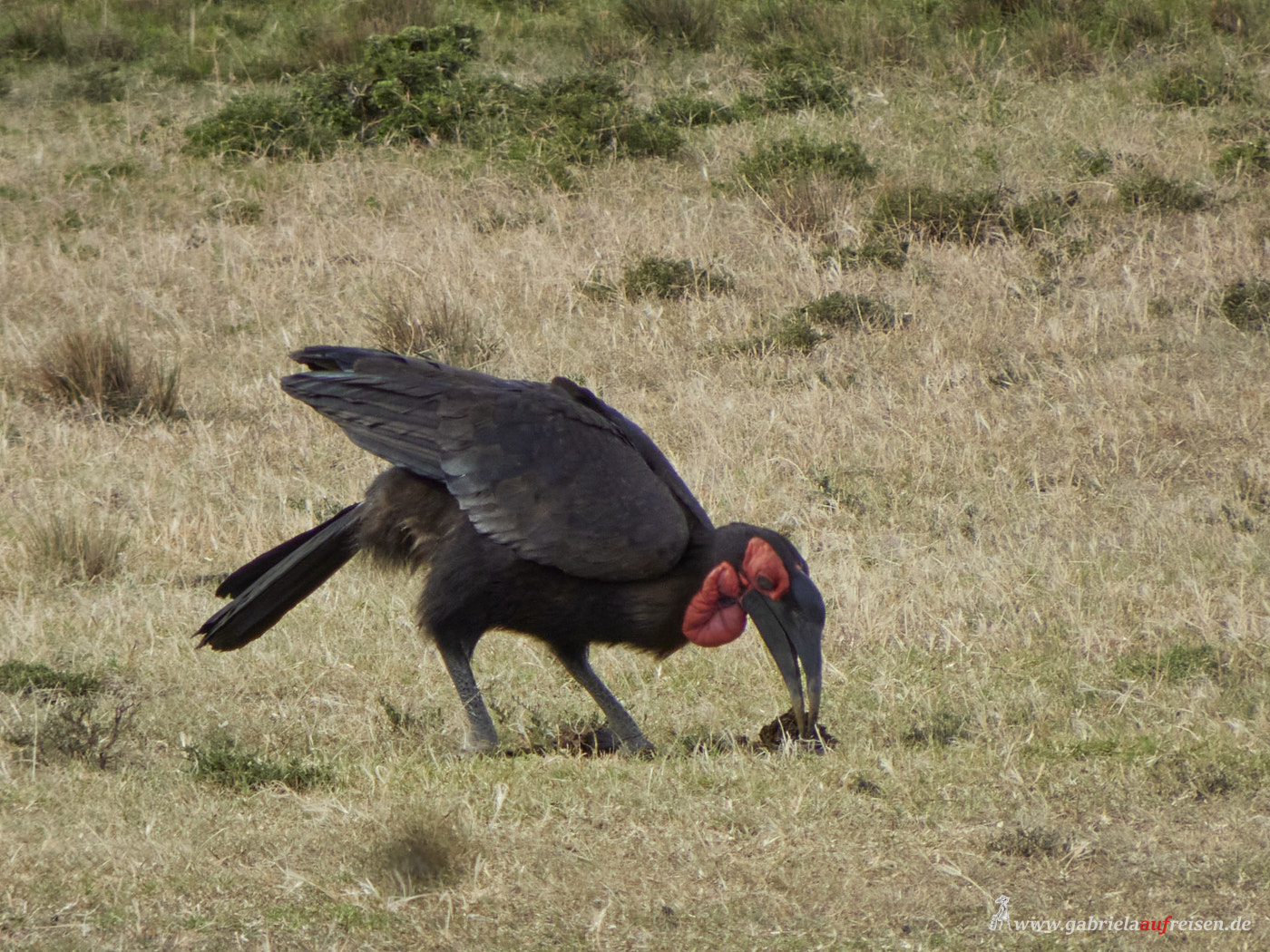
But also large groups of hippos and every now and then a crocodile. Many different birds, including eagles and vultures.
Below I’ll tell you what you´ll might experience on your game drives!
Karen Blixen Camp at the Masai Mara Conservancy in Kenya
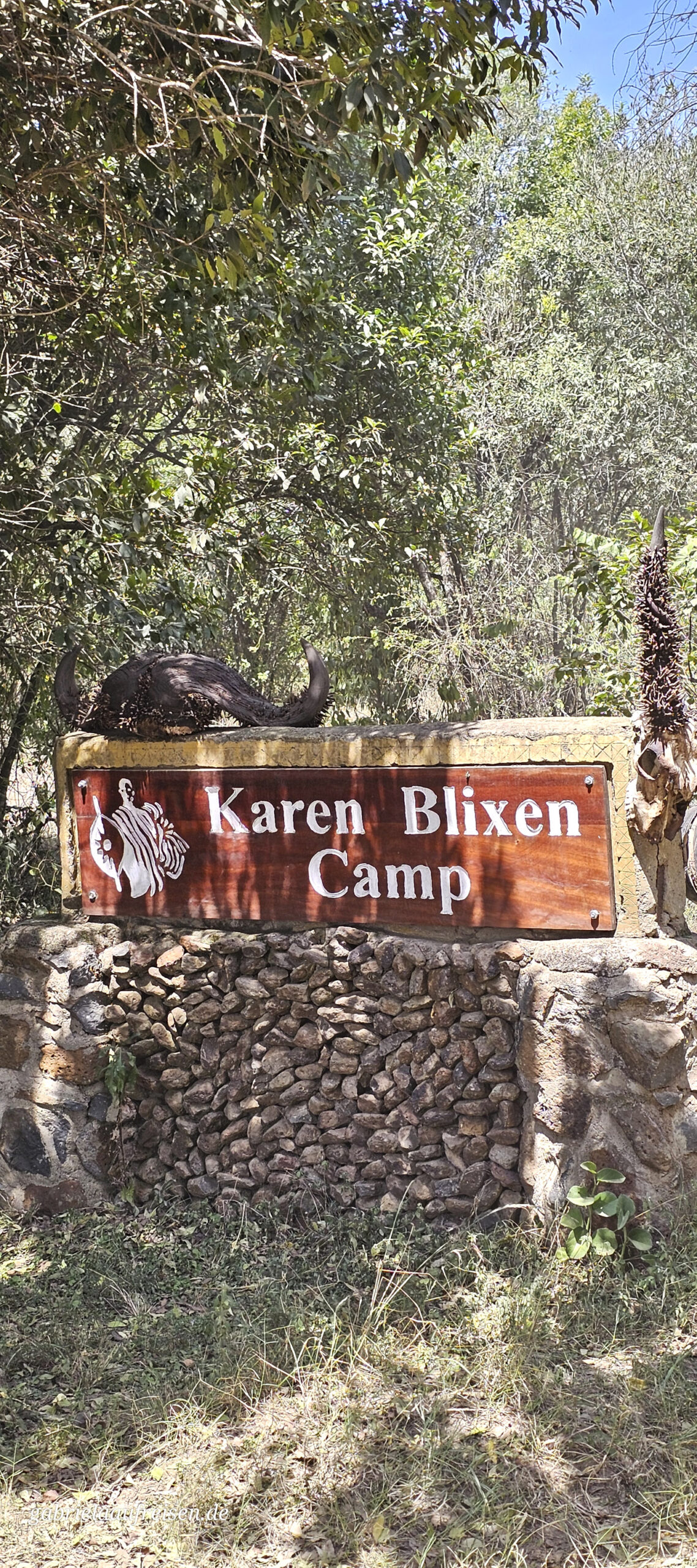
Finally, we arrive at Karen Blixen Camp around noon . The camp is located directly on the Mara River, which is not very wide here. Actually, it is now the rainy season in November, but there is still nothing to see of it, everything is dry, the river does not carry much water.
We are warmly welcomed and immediately get a nice water bottle as a gift, because there are no plastic bottles, but several water dispensers. At the same time, camp life is explained to us.
The tent
Accommodation is in fixed large tents that stretch along the river. They all have a wooden floor, real doors that must be locked, because the monkeys living here know how to open a door…
The tent got large “windows” with nets that allow air to circulate unhindered. At night, they can be closed from the outside. A large bed stands in the middle, with a sideboard at the head. Here we find enough sockets to charge the electrical devices, drinking water for brushing and drinking, a safe and bright reading lamps.
There is enough space for the suitcases, and a comfortable armchair invites you to relax.
Behind the bed, the tent opens to the bathroom with two sinks, an open cupboard and the toilet. For privacy, the tent can get closed there.
The shower area is adjacent to the bathroom. The shower is located outside the tent and is open to the top. The shower area is covered with a stone wall and covered with a tarpaulin. Not that anyone could get wet while showering 😉. A large mirror, shelves and, of course, cosmetics can also be found here.
The special feature of the Karen Blixen Camp in Kenya
The camp has received the Gold Eco Rating from Eco Tourism Kenya. Hot water and electricity are obtained via solar power, the food consists mainly of regional products, they have got their own herb and vegetable garden. An IT school is maintained on the site, as well as a cooking school and soon a mechanical training facility. Most of the employees and students come from the surrounding area, but some of them also live in special accommodations in the camp.
Some of the students got the opportunity to do an internship in Karen Blixen’s home country, Denmark.
Researchers also come to the camp repeatedly, e.g. to observe and document certain animal species.
The camp is not surrounded by a fence, so all animals can move freely through the grounds. After dark, guests are only allowed to stay outside with a Masai guide, as a hippo sometimes uses the garden for grazing. At night you can often hear them panting.
Each guest has his “own” waiter, who quickly knows what culinary preferences their guests have. And also, the driver for the safaris always remains the same, we have the very experienced Francis as “our guide”.
In the morning, we choose from the extensive breakfast menu, at lunchtime there are various dishes that become a three-course menu, as well as in the evening. The bar is well stocked, there is always tea, coffee and water available.
What to see and do at Karen Blixen Camp?
With the assigned guide, it is possible to visit the cooking school, for example, by arrangement. Masai women have stalls in the Art and Craft Center where they can exhibit and sell their self-made beaded works of art, such as chokers, bracelets, animals, Christmas decorations and paintings. This gives women from the nearby village the opportunity to earn money independently of a man and to maintain a certain independence.
Massages and beauty treatments are offered in the spa and those who have time and leisure can lie down on one of the comfortable loungers by the pool and relax there.
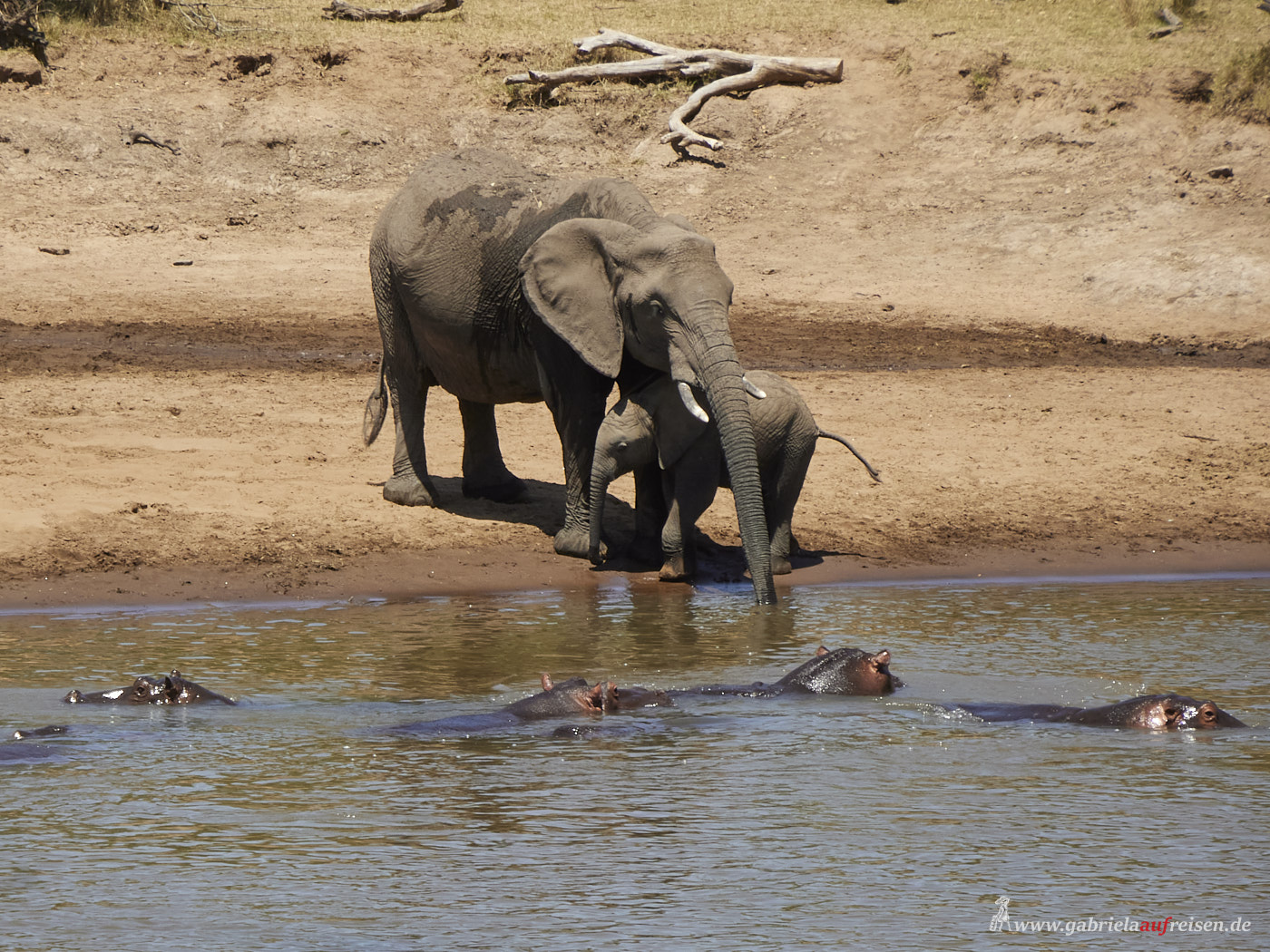
During the day, chairs are set up at the edge of the Mara River, so that the guests have a good view of the opposite bank with the wide sandbank from our elevated vantage point. And what there is to see! The hippos usually chill there until noon, sometimes with their tiny babies, until it gets too warm in the sun and they retreat to the river for their bath.
Then the elephants usually come with their young calfs to drink and graze on the still fresh greenery near the shore. In the background I see some giraffes and antelopes, various monkeys are always on the move. Several crocodiles are also visible from time to time.
So, there is always something going on at the sandbank and in the water and I can stay there for hours and take countless photos and make many videos. And it’s nice to get into conversation with other guests from different countries!
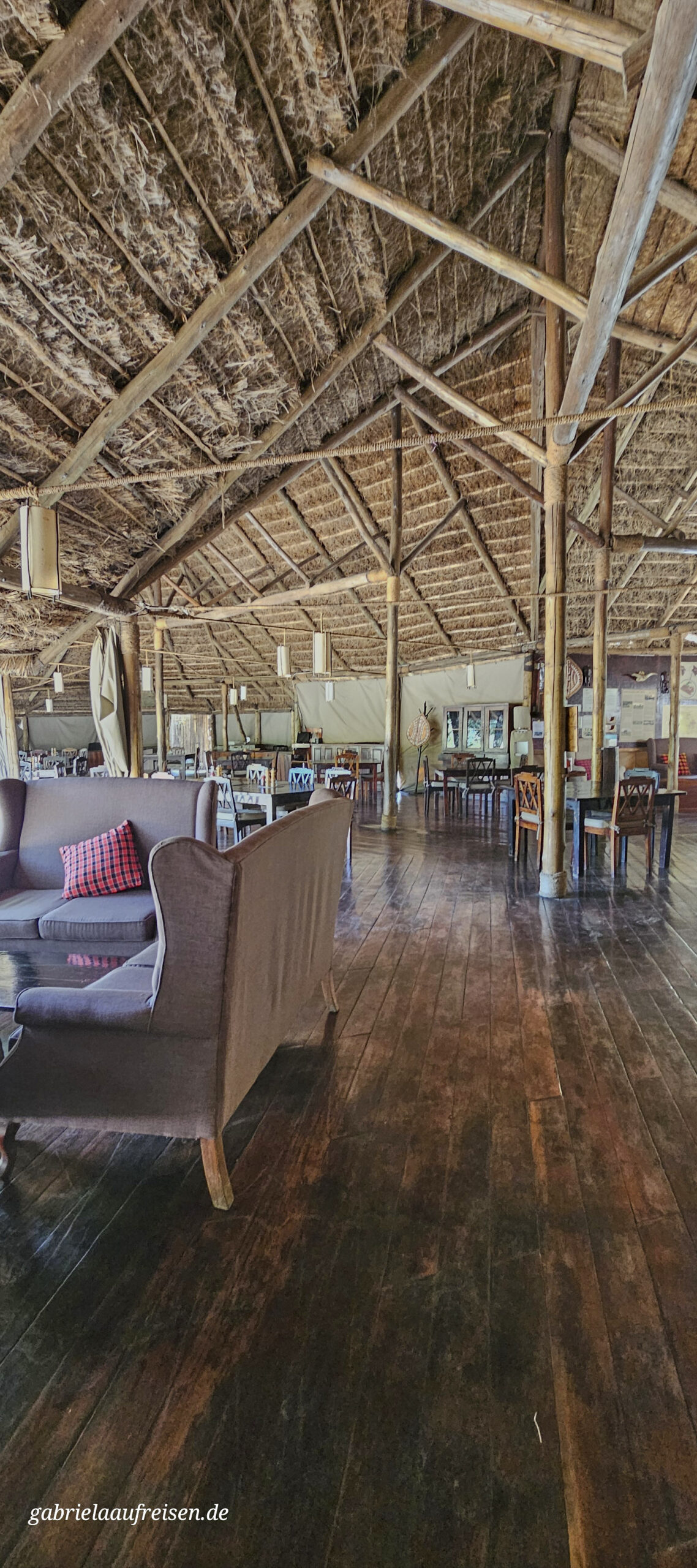
After the three-course dinner in the evening, chairs are already ready around the campfire in front of the open restaurant. If it rains, there are comfortable armchairs and sofas in the bar area, which stand around a fireplace.
Bookable services at Karen Blixen Camp
Breakfast in the bush
Still full of adrenaline after a morning game drive and predators, we do not drive back to the camp but stop on an elevated plateau with a seemingly endless view over the Masai Mara.
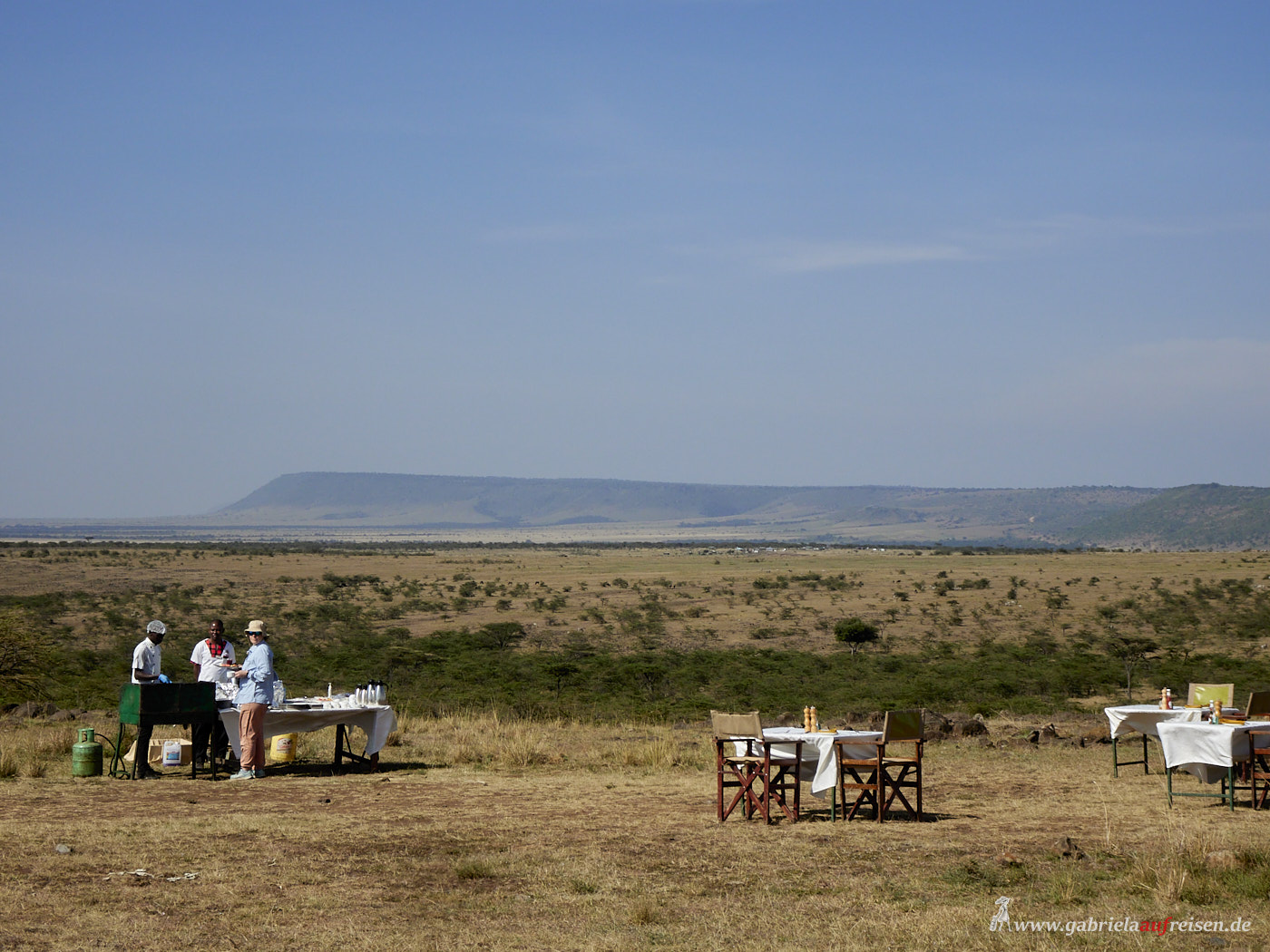
David, “our waiter” awaits us and other guests with a small buffet and nicely laid tables for breakfast. The chef sizzles an egg dish of your choice, coffee, tea, fresh juices and much more make this breakfast in the open air an experience
Sundowner
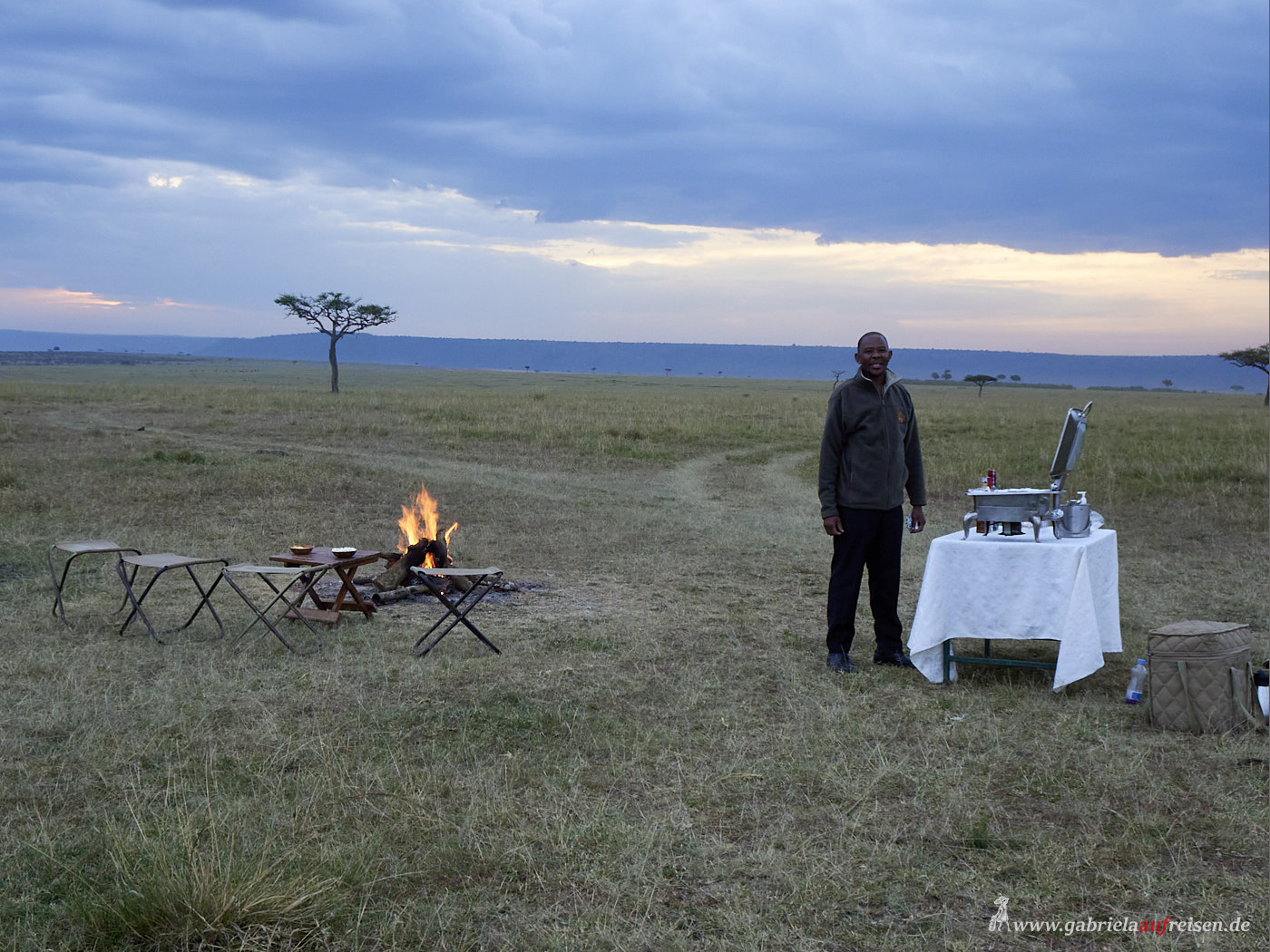
The evening game drive does not end with the usual darkness at the camp, but shortly before sunset somewhere in the savannah. In front of us the sun, which is about to set. And again David, “our waiter”, is standing there with a small bar and snacks, the campfire is already burning, and our chairs are positioned in such a way that we can see the setting of the sun exactly. The gin and tonic tastes even better!
Romantic dinner
We celebrate our wedding anniversary at the camp! The evening game drive does not end at the camp. In the dark, Francis drives us through the savannah, which is only slightly illuminated by the dimmed lights of the jeep. I always wonder how the guides find their way!
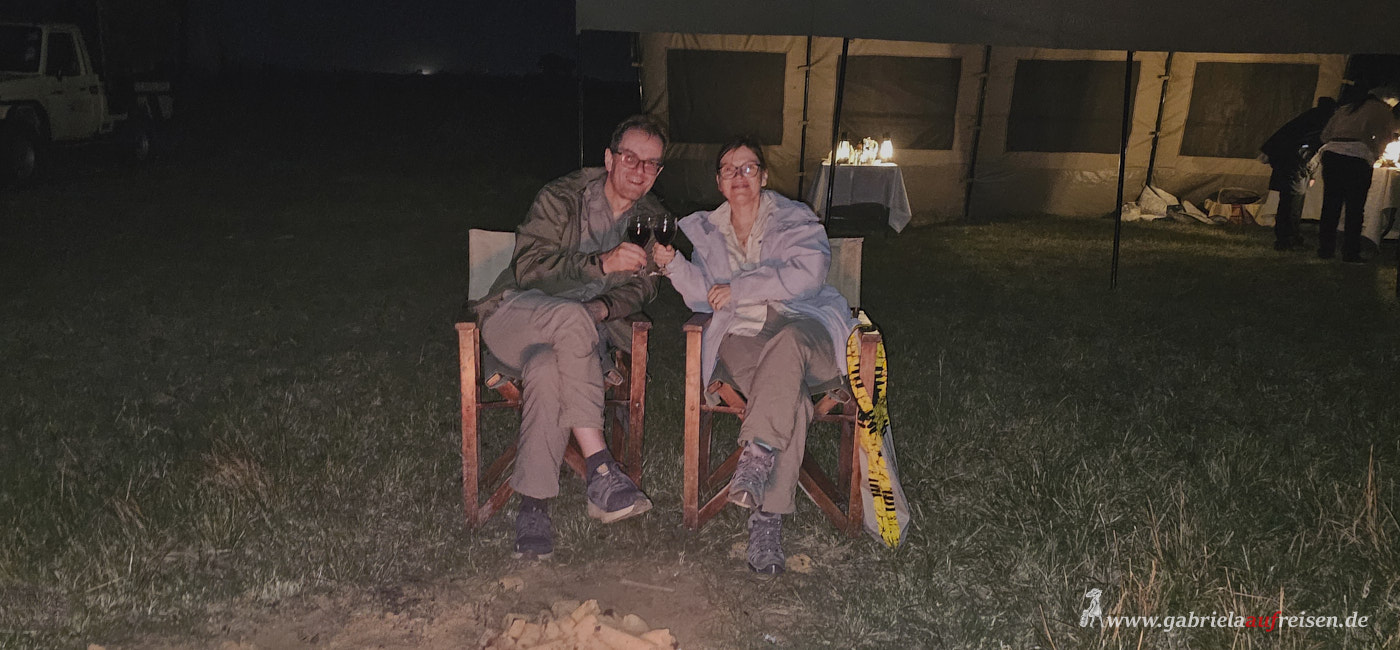
Then we see a campfire in the distance! Francis steers the vehicle there. And who is waiting for us? David, “our waiter”, of course! A BBQ buffet has been set up for the two of us under a tarpaulin and two cooks are sizzling. One of them is currently doing an internship in the camp kitchen. She comes from Denmark, as she tells us.
We are greeted with wine, and since the food isn’t quite ready, we are invited to sit comfortably by the fire. After a short while, we get shown to the festively set table, and dinner begins with a fantastic soup. Then we help ourselves to the incredibly generous buffet! For dessert, we receive a cake baked especially for us, along with well-wishes! Wow! This is unbelievable!
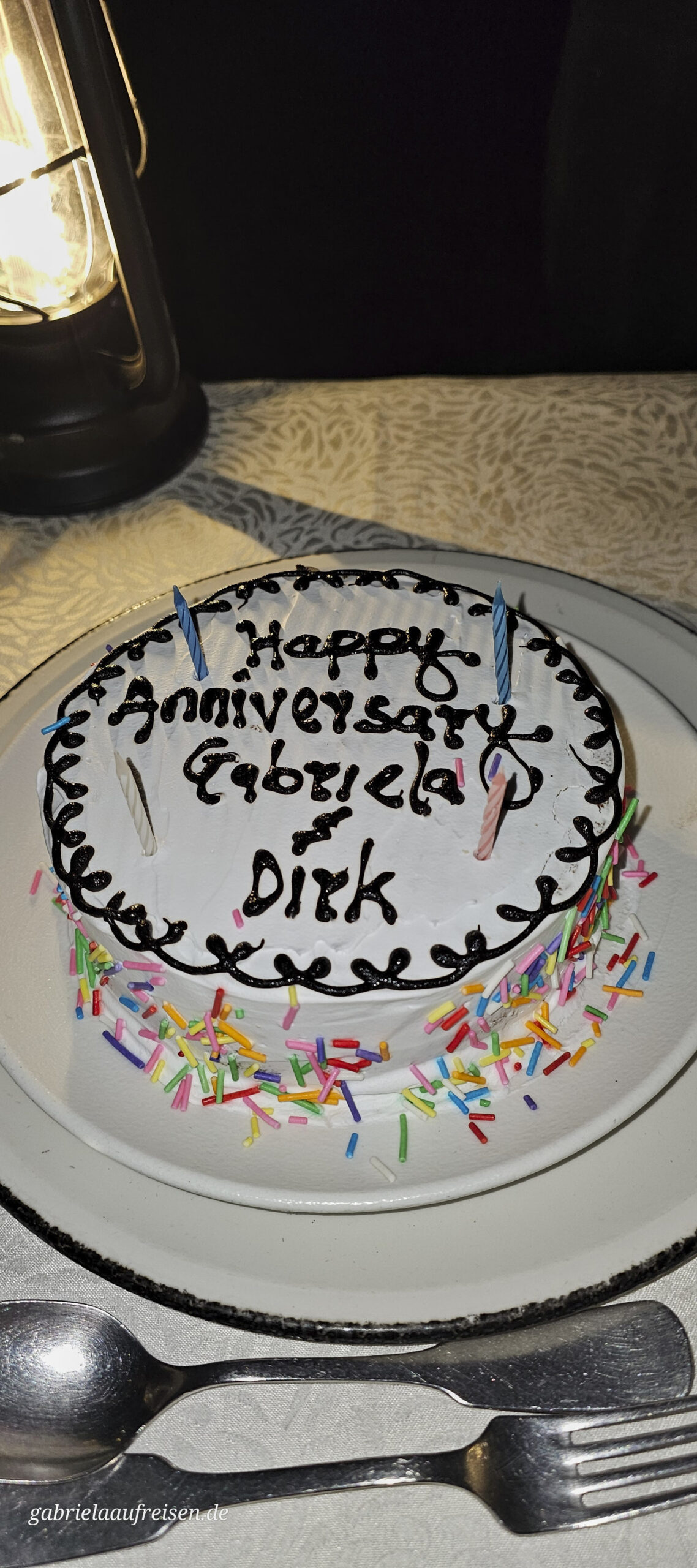
I would like to state very positively that the employees present are allowed to eat the surplus buffet and, at our request, the rest of the large cake. This is also part of the camp’s eco-concept, wasting as little food as possible!
What can happen during a safari or during a game drive?
The early game drives always start around 6 a.m. and usually end around 9 a.m., as this is when the animals are most active. They are hungry and it is not too hot to hunt.
In the morning it is very cold in the open jeep, so we always have several layers of clothing on top of each other. A wind-resistant rain jacket and a thick hat are always included. Sturdy trekking shoes are also welcome if you do get out.
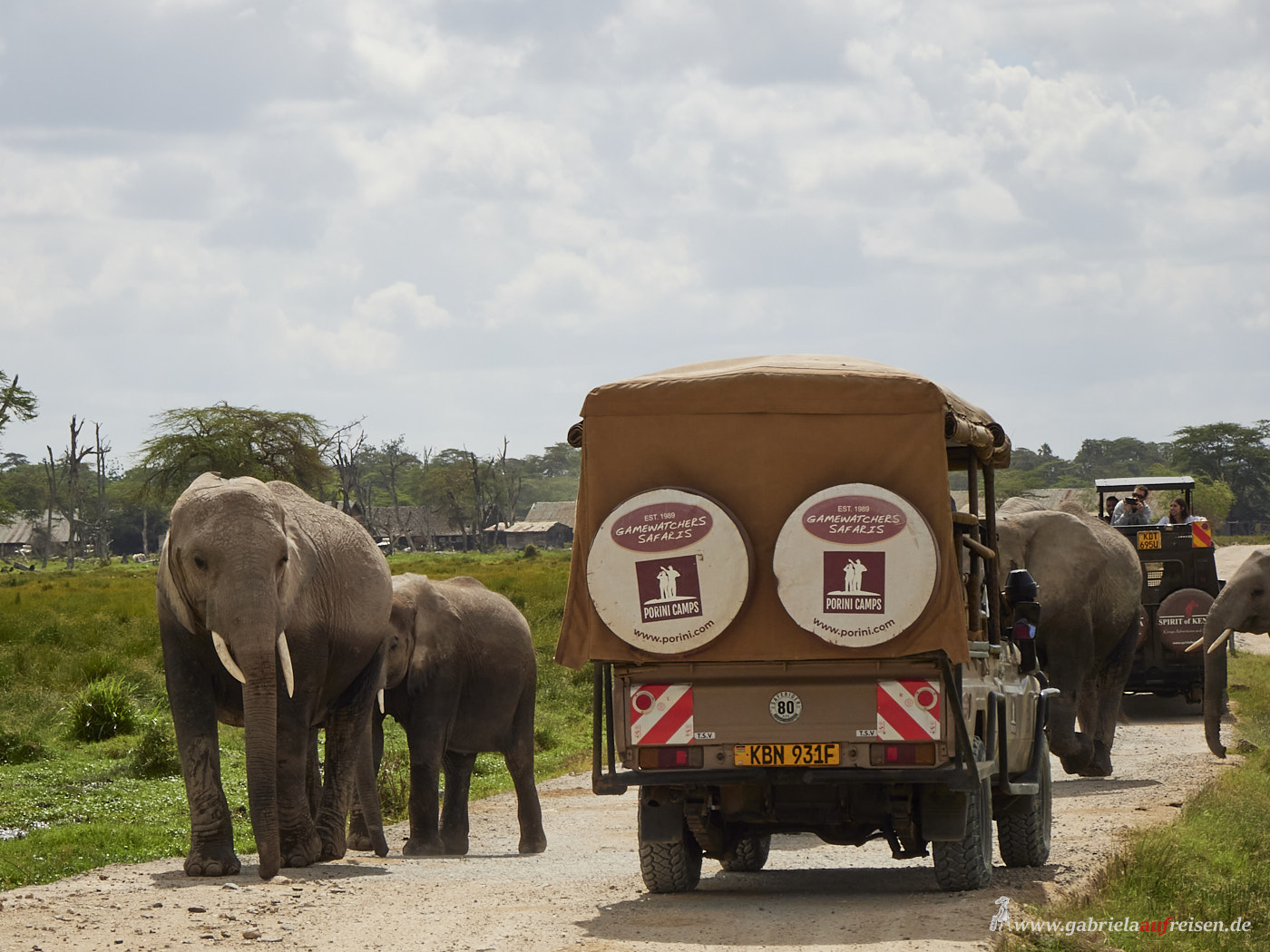
The guides of the different camps communicate by radio who has seen predators hunting, for example, where.
Then it starts! One morning, an astonishing number of hyenas cross our path and Francis, our guide, immediately follows them, as they are all heading in one direction.
Hyenas
Directly on the way, not so far from the camp, a large pack of hyenas has killed a baby giraffe. The poor mother is not far away.
We can see up close the fights for the best pieces of the hunted animal and hear the screams of the hyenas. Within a few minutes, nothing is left of the little giraffe, as hyenas have such strong teeth that they can also eat bones.
Leopards
We are asked to fasten our seatbelts, which is unusual, because normally we drive little more than walking speed. Then it starts! Francis rushes quickly over the relatively well-developed gravel roads; in a direction we have never been to before. At some point he tells us that he has received news about where a leopard is supposed to be.
With us, other vehicles come from all directions. Everyone is moving fast. After a good 20 minutes of driving, we come to an area with a village and large herds of cattle. There won’t be a leopard here, will it? Oh yes! There are already many vehicles here, they are scattered in the area. Always under the control of rangers, as only a maximum of five jeeps are allowed to be near the animals. Now Francis is looking for a good place.
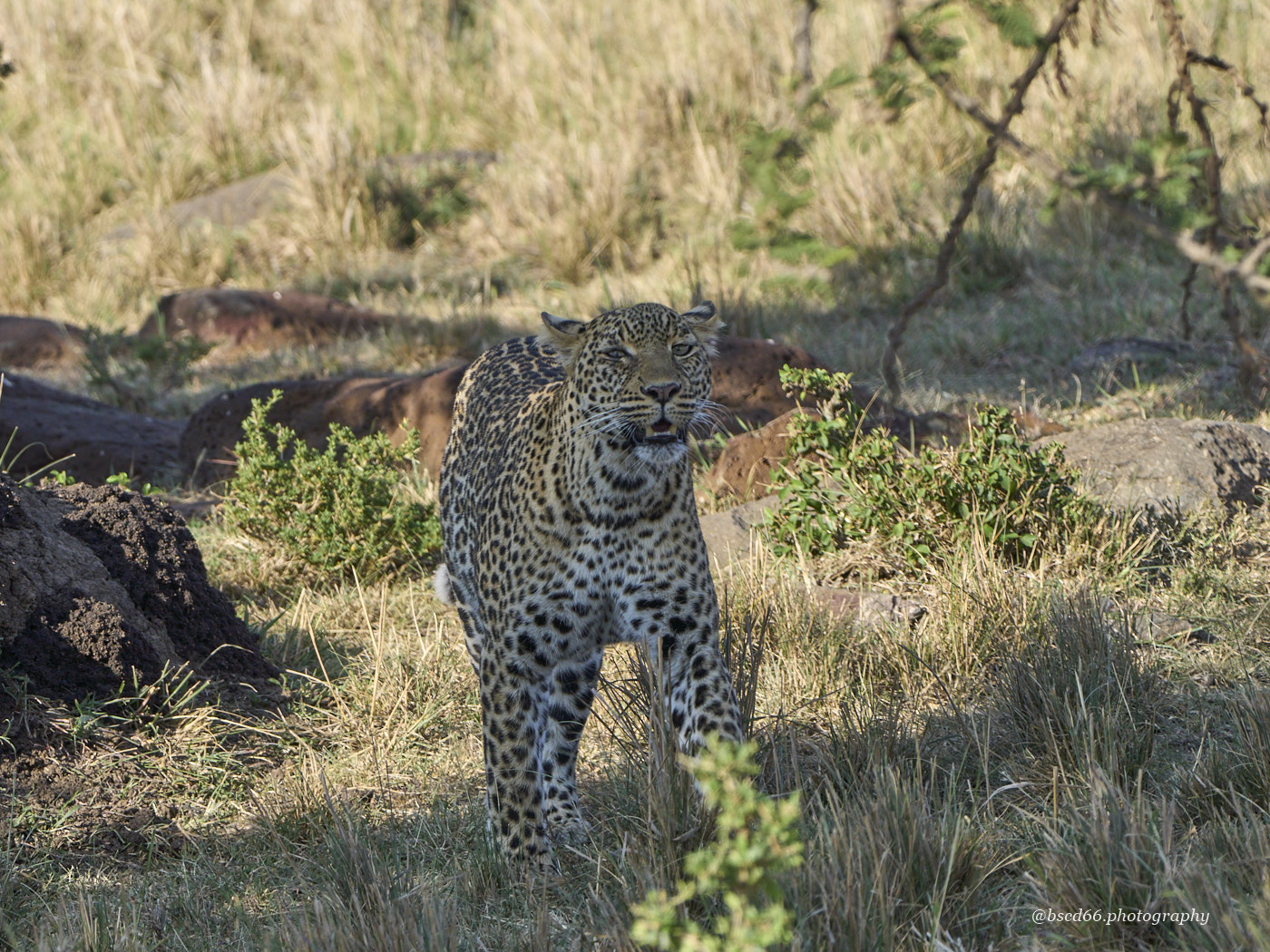
He goes somewhere else and has a really good nose, because that’s exactly where the leopard lady comes out of the bushes and jumps up a tree! Right in front of us! I can hardly believe it! Nevertheless, she does not rest there, she comes down again and continues running. Francis reacts quickly and moves our jeep to a different position. And you can see what follows in the video:
Lions in Kenya
The evening game drive usually starts at 4 p.m., as there is still a maximum of 2.5 hours of daylight and the animals become more agile again as the temperature decreases.

Well, with lions it can be different, when they are full, they like to sleep 20 hours. So twice in the evening we are lucky enough to watch fully eaten lions sleeping or dozing. One evening there are two handsome male lion brothers and the next evening an extended family with a cub that is bored and wants to play. It annoys all the lazy adults in its group. It is hissed at from time to time and sometimes gets a playful paw blow.
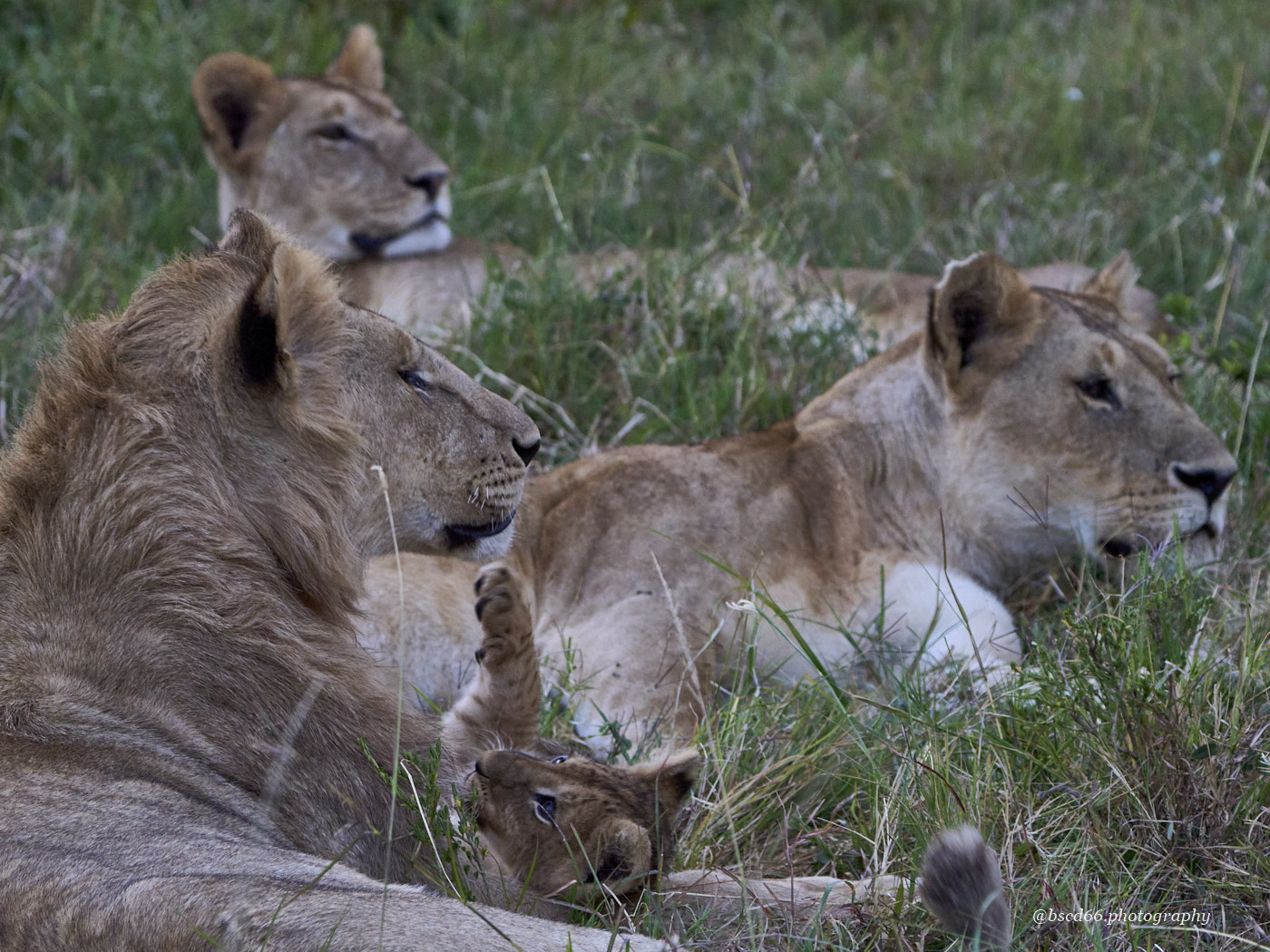
In the vehicles that are parked around the animals, the cameras click, champagne and wine bottles are opened for sundowners and chips are handed out. None of this irritates the animals. They are used to these “tin cans”. We are not dangerous and who could be dangerous to the king of the savannah in the first place?
Cheetahs
Cheetahs are also endangered in the Masai Mara. They have cubs more often than other big cats, but unfortunately only about 4% of them survive! We are allowed to meet a cheetah mother twice with her only remaining cub, an 8-month-old male. It’s her third litter, Francis tells us, and so far none of the cubs have survived.
She has just hunted a gazelle and now they are both going after it. Soon they have very big bellies and only the intestines and bones remain. Unfortunately, this attracts hyenas, which can smell a prey at 4 to 10 km. Therefore, the two do not stay there, but continue to move. They are almost caught by two hyenas, but the smell of the carrion is probably more interesting, and they eat the leftovers, so that mother and son can leave as quickly as possible.
Below you will find a few more photos of the Game Drives. Since these are always different, these are just some of the absolute highlights.
Farewell to the Masai Mara
We enjoy the excellent service of Karen Blixen Camp for three days, then we head back to Nairobi, the capital of Kenya.
By car it would be many hours over sometimes very bumpy roads, so a driver takes us to the airstrip of the Masai Mara North Conservancy.
It is a well-maintained sandy track, about 30 minutes by car from the camp. When we arrive, a pumba family is sniffing around on the slopes. A ranger on a motorcycle scares them away and a larger herd of antelopes comes and crosses the airstrip.
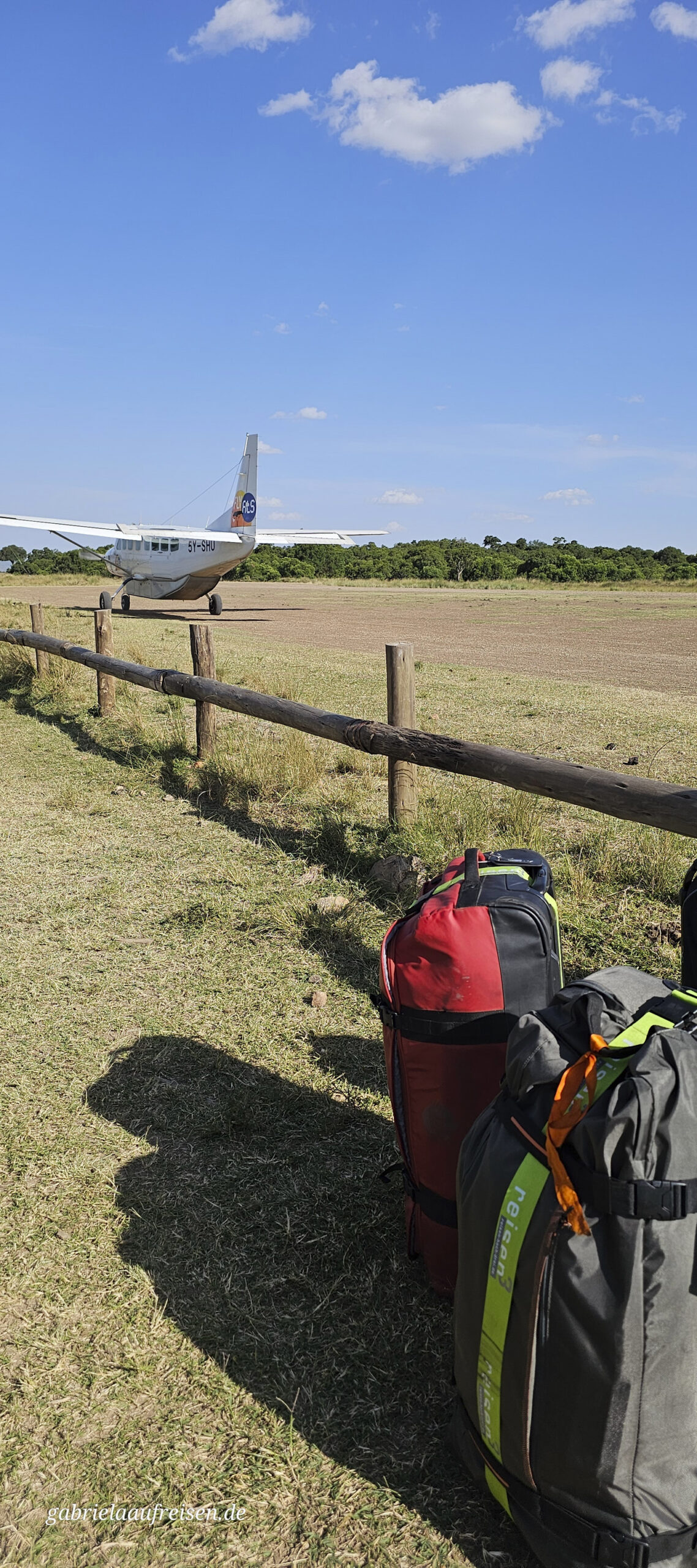
Then finally our plane arrives. It brings new guests to the various lodges here in the area, whose drivers are already waiting for them. Our luggage is loaded and the Cessna takes off with four guests.
45 minutes is the flight time over Kenya from the airstrip to the airport in Nairobi.
We fly over dry areas and green hills and mountains. We have good visibility, so the time on board will not be long.
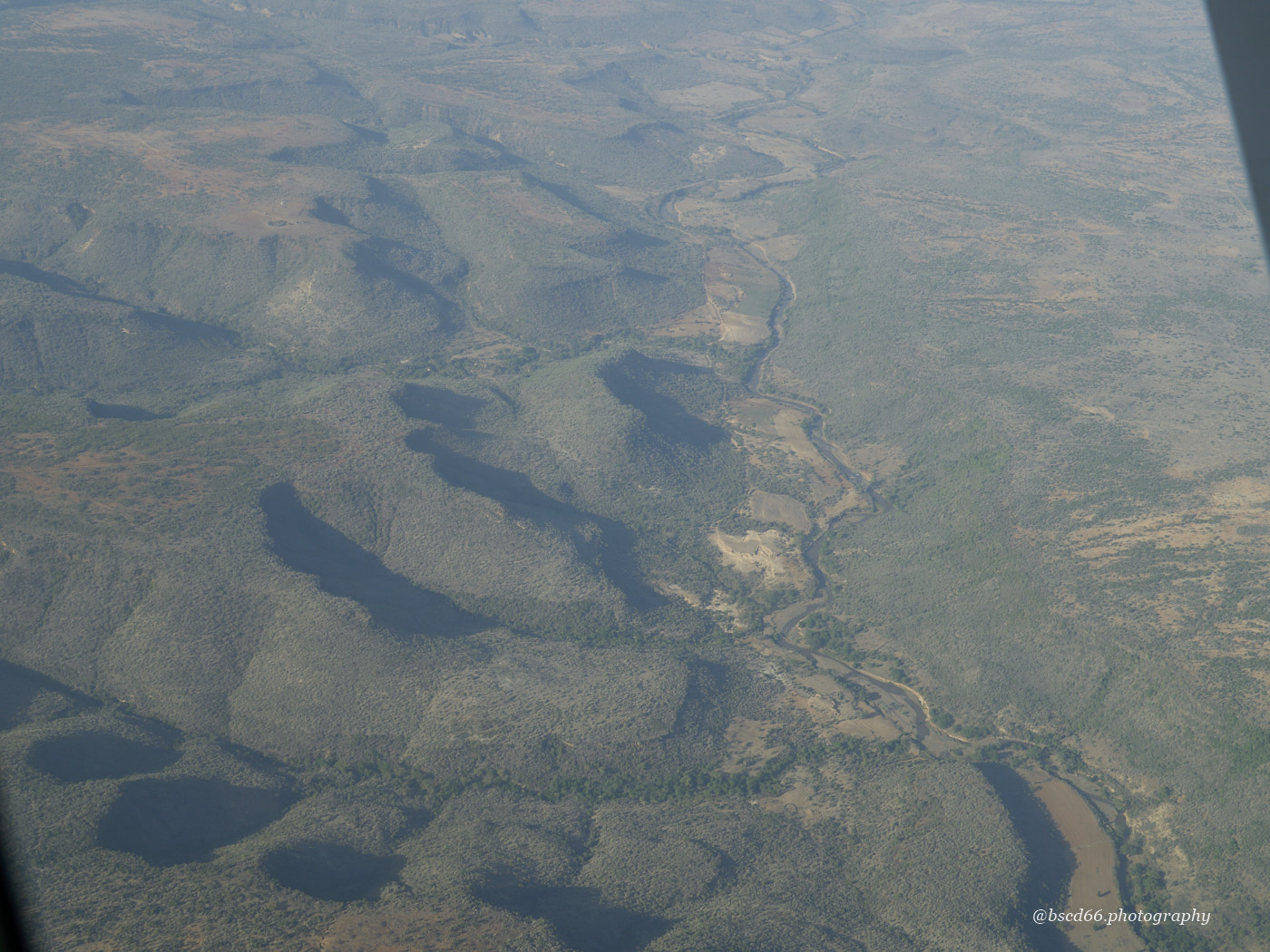
In Nairobi, Stephen is already waiting for us, who drove us to the Amboseli Sopa Lodge at the beginning of the trip, where Jack took over.
Stephen remains our driver until departure and explains many things to us.
Karen Blixen Coffee Garden
This beautiful area on the outskirts of Nairobi is located in the district of “Karen”, named after Karen Blixen, who did a lot of good for the population during her time here in Kenya before she then travelled back to her home country Denmark.
The oldest building in the Karen Blixen Coffee Garden used to be the house of the manager of the coffee plantation that Karen Blixen got from her husband Bror Blixen. This is now where the administration and a pretty souvenir shop are housed.
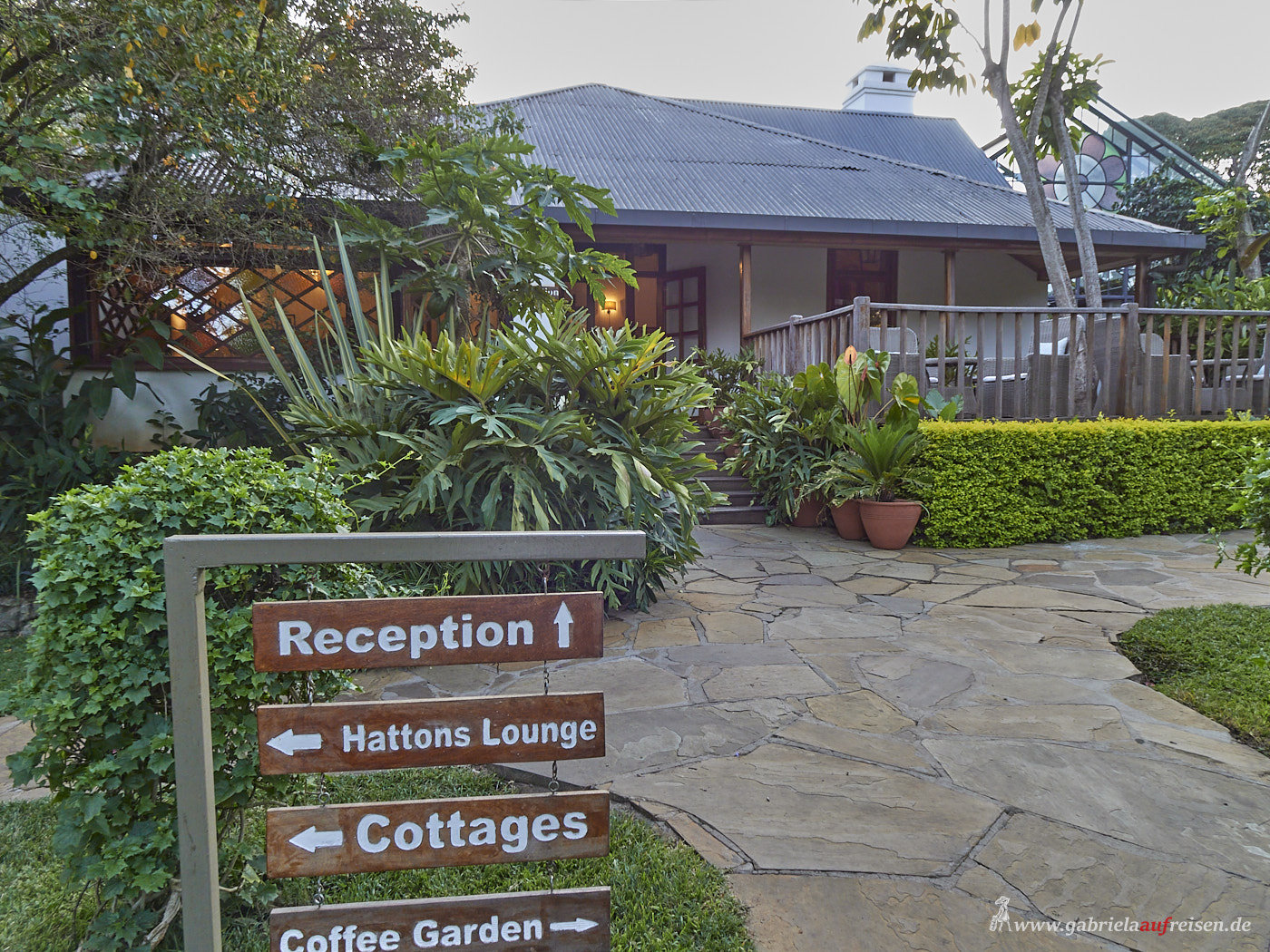
Now the bungalows for the guests have been built around it, as well as three restaurants, one of which is a fine dining restaurant, the Babette ́s.
We live in bungalow no. 8 for two nights. Each bungalow has another name, e.g. of an animal, the meaning is explained to us on an information sheet.
All bungalows have a veranda with chairs and a table. Since the garden between the houses is very well grown, it is shady and pleasant here.
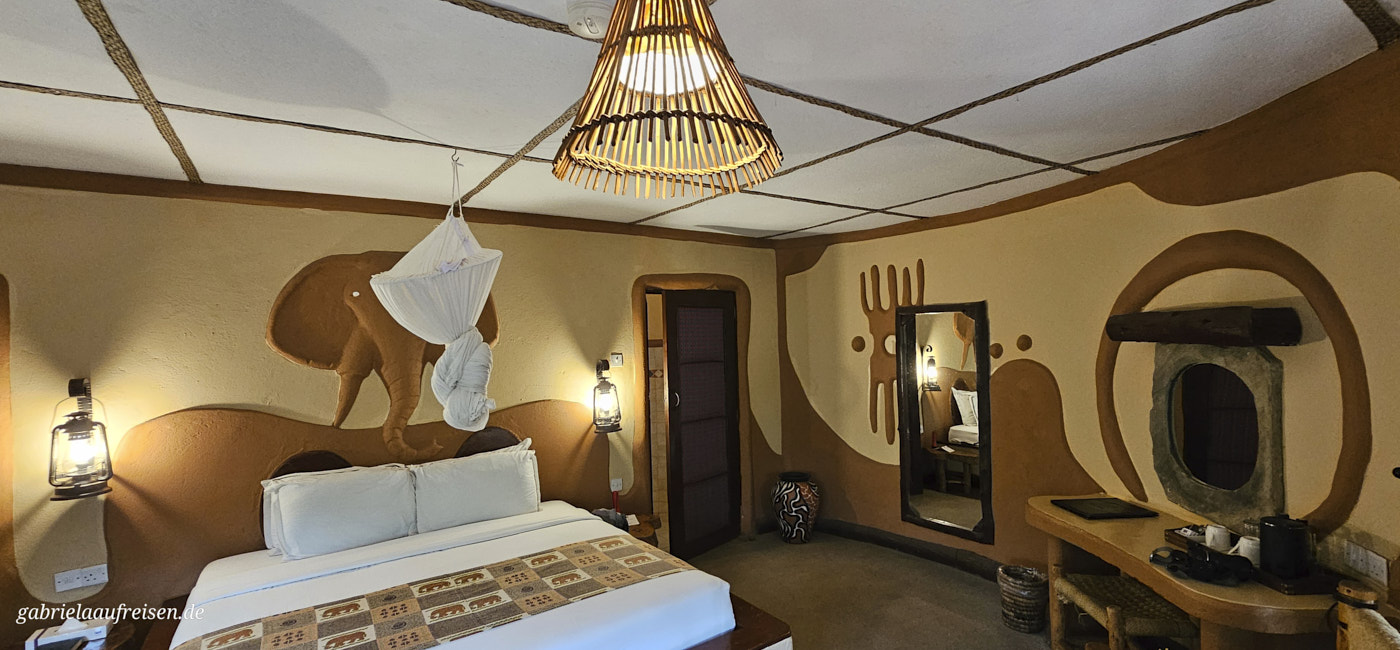
We enter and find ourselves in the living-sleeping area, with a large bed that got mosquito nets. Comfortable armchairs with a table in front of a fireplace invite you to linger.
In the adjoining room there is a wardrobe with a safe, a well-stocked minibar and a tea and coffee maker. On the desk I find the information folder with details about the spa and other information. The large bathroom with two sinks, a very large shower and the toilet adjoin.
Here, too, water is provided for all guests for drinking and brushing their teeth.
For breakfast we can choose from the large à la carte selection and we are happy that it is warm enough in the morning to have breakfast outside by the pool.
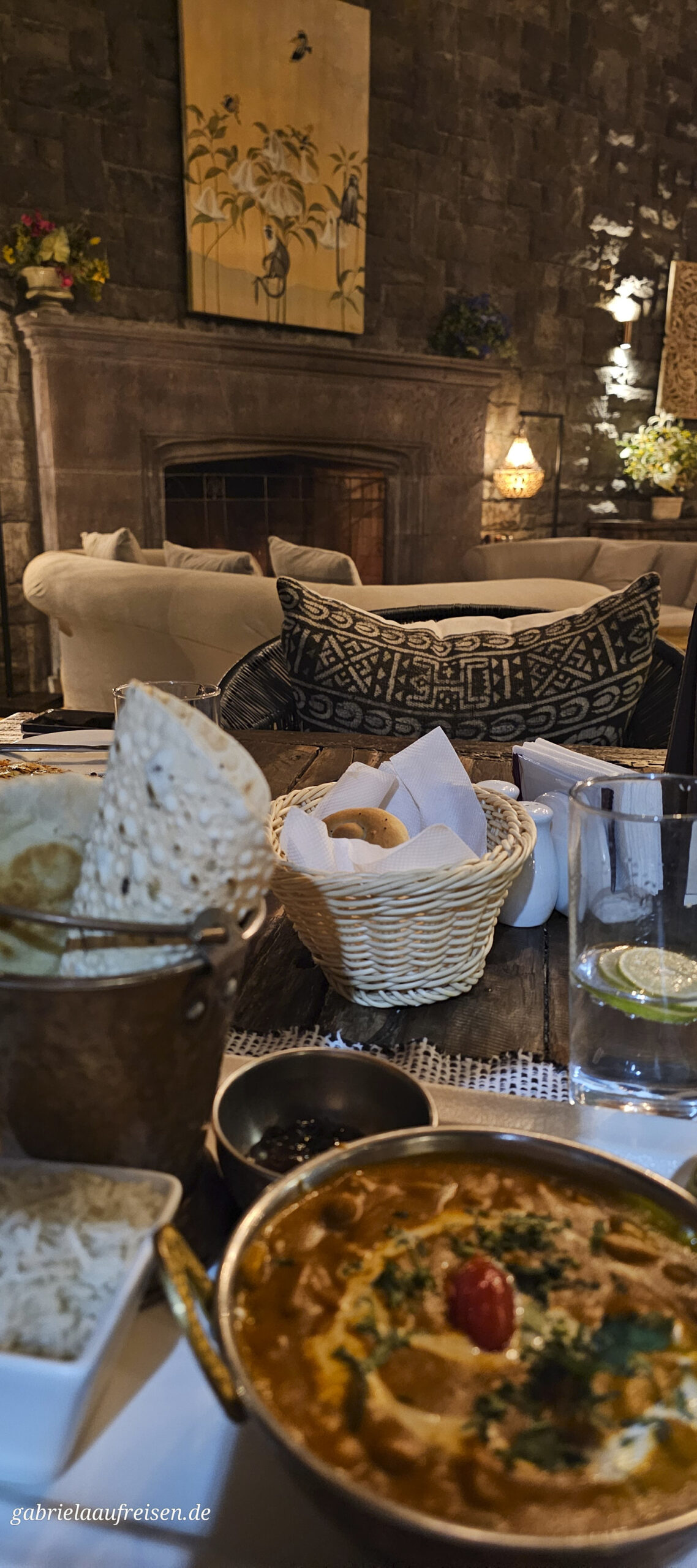
In the evening, we choose the Garden Restaurant and Hatton ́s, which is open 24/7. The dishes are fresh, very tasty and certainly offer something for every taste. The cocktail and wine selection is huge.
What to do in Nairobi in two days?
Nairobi is the capital of Kenya, and with the surrounding area, around 7 million people are now said to live here, but many of them in slums. There is an insane traffic, and we are glad that Stephen as a driver takes us safely to all the sights that might interest us.
Nairobi National Park
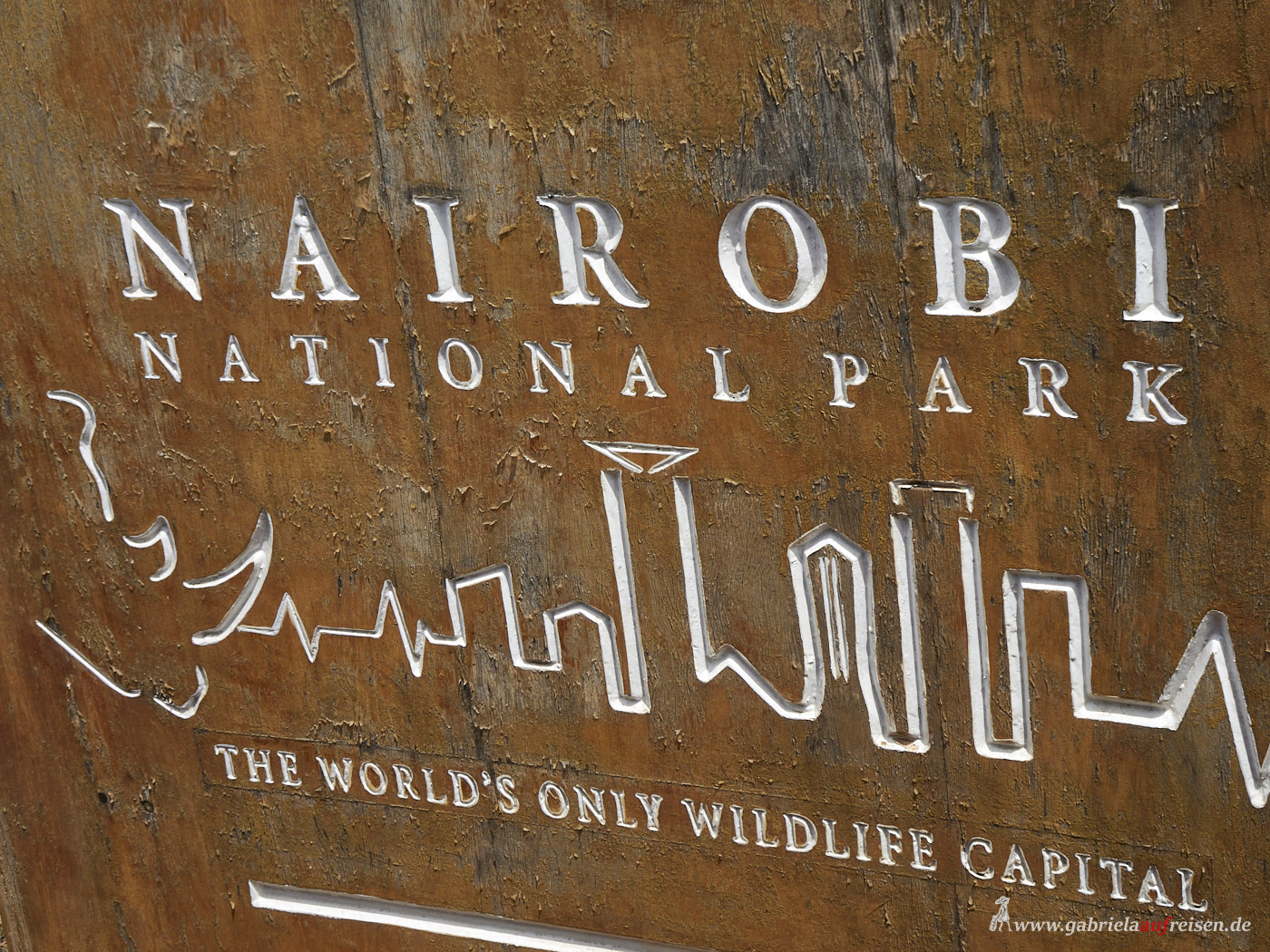
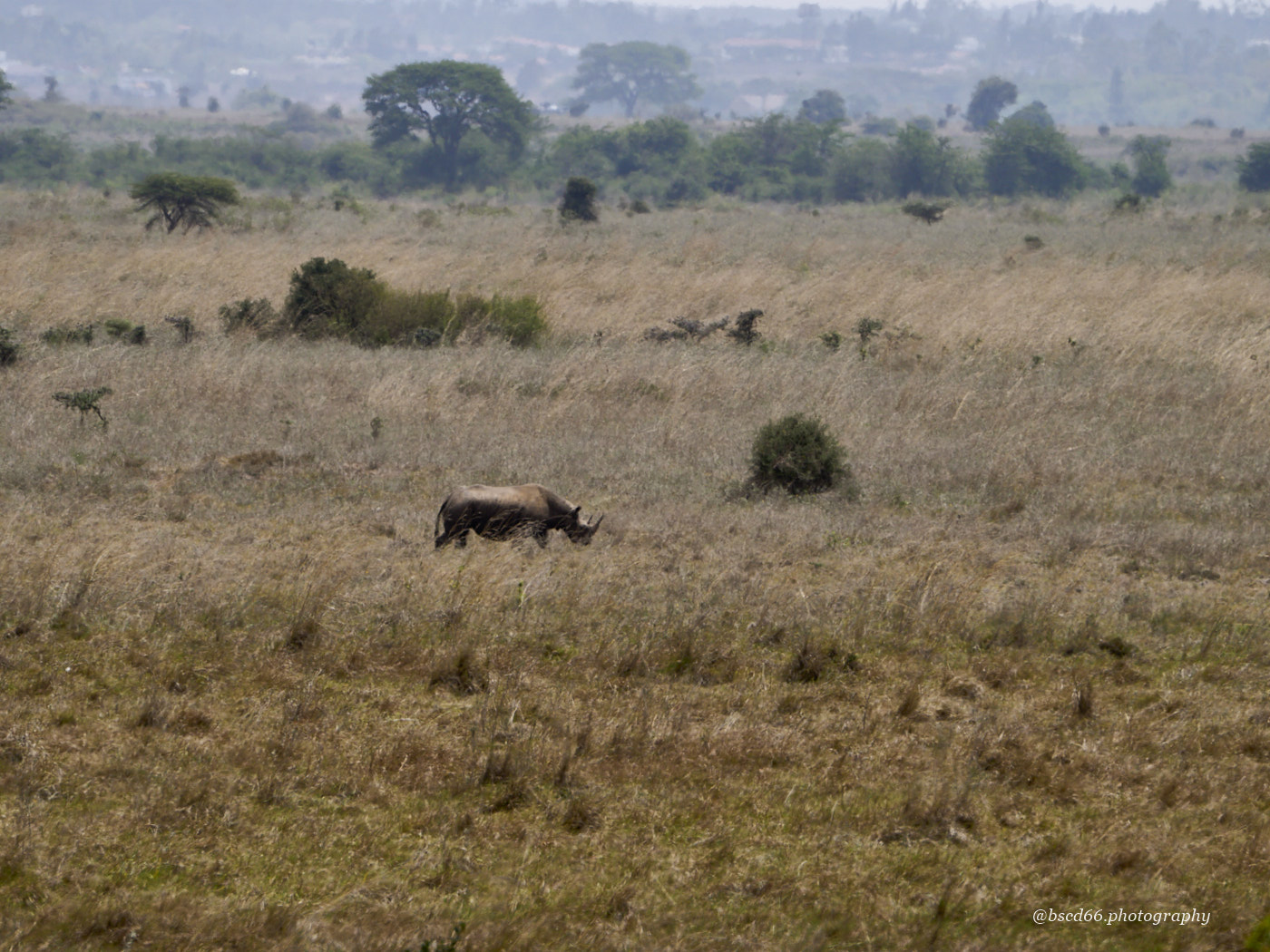
This national park in Kenya is the only one in the world that is located within an urban area. Here you will find all imaginable wild animals that can also be found in the other (national) parks, except elephants. With 117 square kilometers, it is too small for elephants, as they are used to walking long distances. But there are many rhinos here. If you don’t see any here, you’re probably out of luck.
The entrance fee is currently around 82 USD per person, the drivers have a special concession, which is charged differently. In the distance we see the skyscrapers of Nairobi and in front of us rhinos, four in number! So, we would have seen the “Big 5” in Kenya.
But wait, it’s not quite right with the elephants, because we drive into the Nairobi National Park to the
Sheldrick Wildlife Trust in Kenya
Since 1977, orphaned baby elephants have been lovingly cared for here until they are able to join a wild herd at the age of about four to five, mostly in the Tsavo National Park.
So, there are elephants here after all, even if these are only small ones. They may be visited by paying guests for one hour every day between 11 a.m. and 12 p.m. For a minimum donation of 20 USD we are allowed to enter. Important to know, the entrance fee to the Nairobi National Park still has to be paid, regardless of whether the national park is visited additionally or not. So, an early morning safari into the national park is a good idea, followed by a visit to the Sheldrick Wildlife Trust.
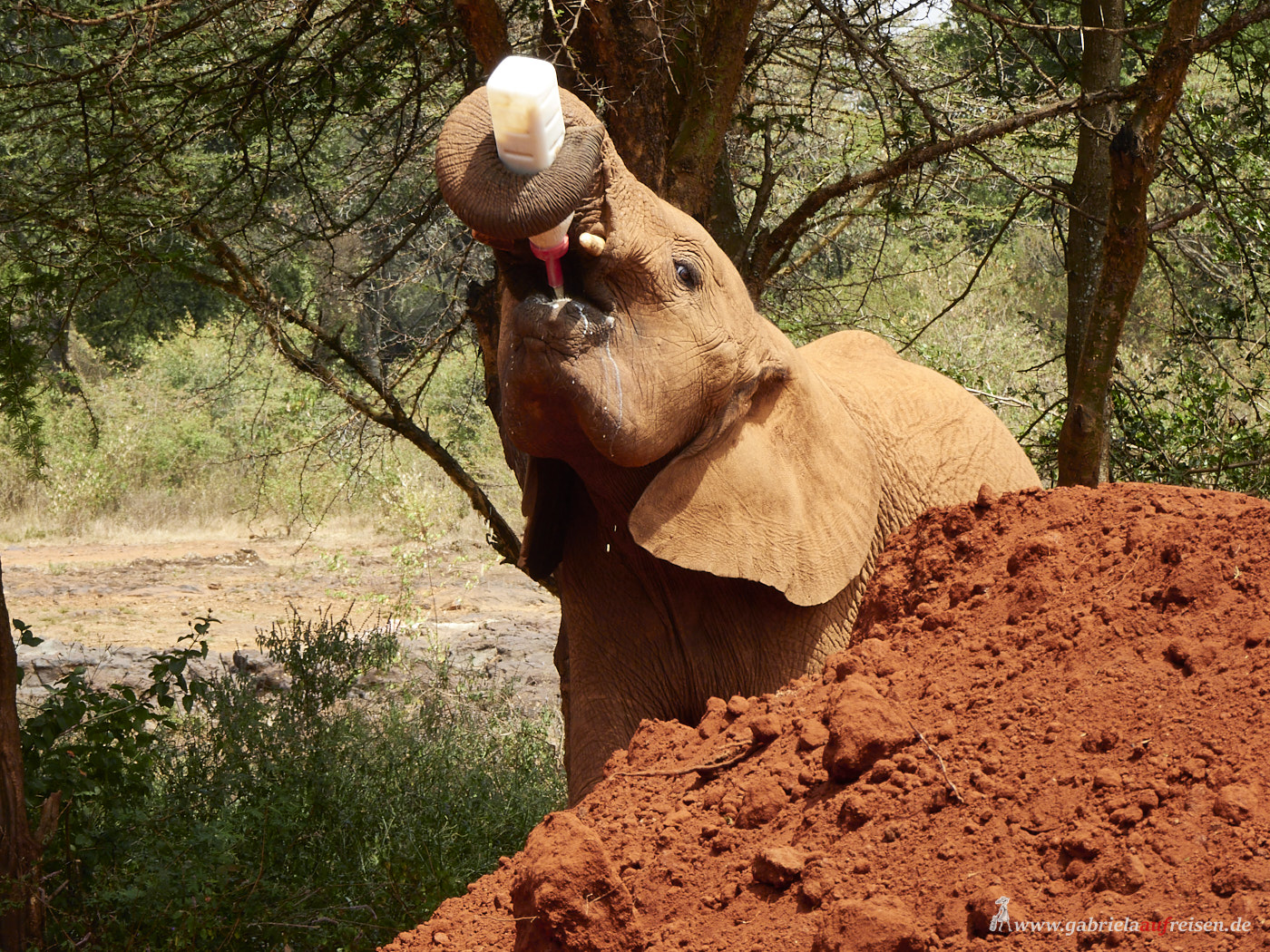
At present, the trust houses about 15 small elephants, at peak times they sheltered and cared for 35 animals. There is also a small rhinoceros, which, like its buddy, a little zebra, is introduced first. Both have found each other and spend their stay here together and get the bottle from their keepers at the same time. Then come the elephant calves. The very small animals receive their bottles and the larger ones feast on branches and leaves in the demarcated area. All of them are presented individually and can be adopted.
After their midday feeding in front of the guests, they go to Nairobi National Park with their keepers so that they can get used to life in the wild.
All information about the trust can be found on the website. Wouldn’t such an adoption be a great gift for someone who already has everything?
Kazuri Beads Factory
One of the many projects for women in Kenya is the Kazuri Beads Factory, which we like to visit. Anyone can take part in a free guided tour there. We´ll see the whole manufacturing process. The pearls produced here are made of particularly fine clay, which has to go through various instances to end up in the raw form with a lady. With the help of a template, the exact amount of clay for a certain bead shape is taken and skilfully shaped into a ball or other format with the hands..
As soon as it has cooled down, the ball or shape is painted by hand and wafer-thin brushes by other ladies. There are predetermined designs, but the ladies are also allowed to give free rein to their creativity. I’m also allowed to give it a try, but I realize very quickly that I’m reaching my limits with this very fine work! It is absolutely admirable what the ladies do here!
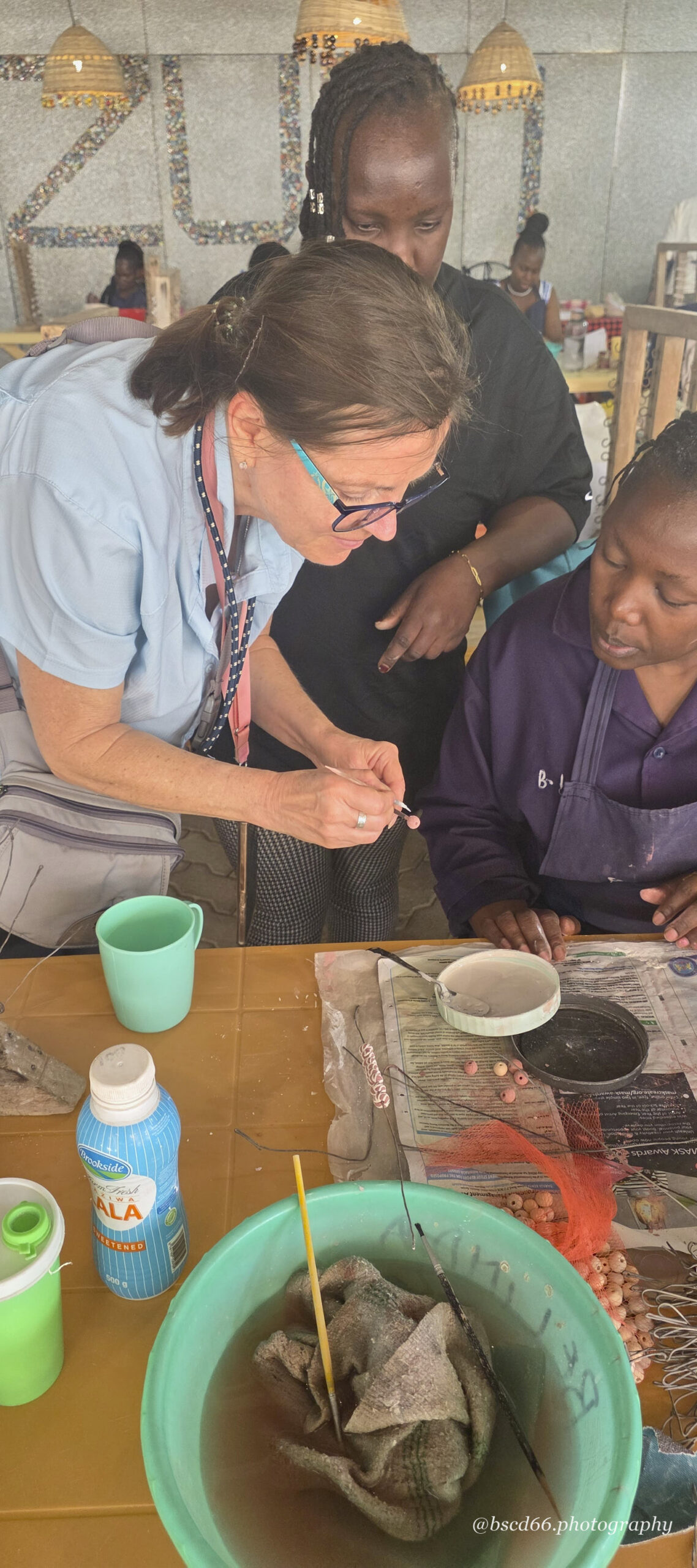
Then the beads are fired again. Now they shine in wonderful colors, they are so firm that they do not break even if the chain or bracelet falls off.
I admit, I couldn’t resist and opted for an ensemble of necklace, bracelet and earrings. Since I didn’t like the closure, everything was replaced in no time at all so that is exactly how I like it…
If you like, you can also put together your own chain or similar and thread it up directly there. The individual beads can also be bought, so that you can get creative at home.
When Stephen suggests to us, the
Ocean Sole
project, we can’t imagine anything about it. He tells us that art is created from old flip-flops. We fear that we have misunderstood his explanation. But we are taught better!
This project, Ocean Sole, was also originally used to get people to work and at the same time to produce something meaningful from the old.
Many people collect old and washed-up flip-flops from the garbage and on the beaches of Kenya. This also helps nature. They are collected in huge bags and transported here to Ocean Sole. During the free tour, the whole process is explained to us.

The old flip-flops are first cleaned and disinfected. Then they are sorted by color. It’s hard to believe how many colors there are!
Depending on what is to be made, figures are then cut from stencils and several layers and sometimes different colors are glued together. The figures are then neatly “carved”. Even the waste generated in the process is reused. It gets shredded and children from schools, for example, come to make their own pictures here.
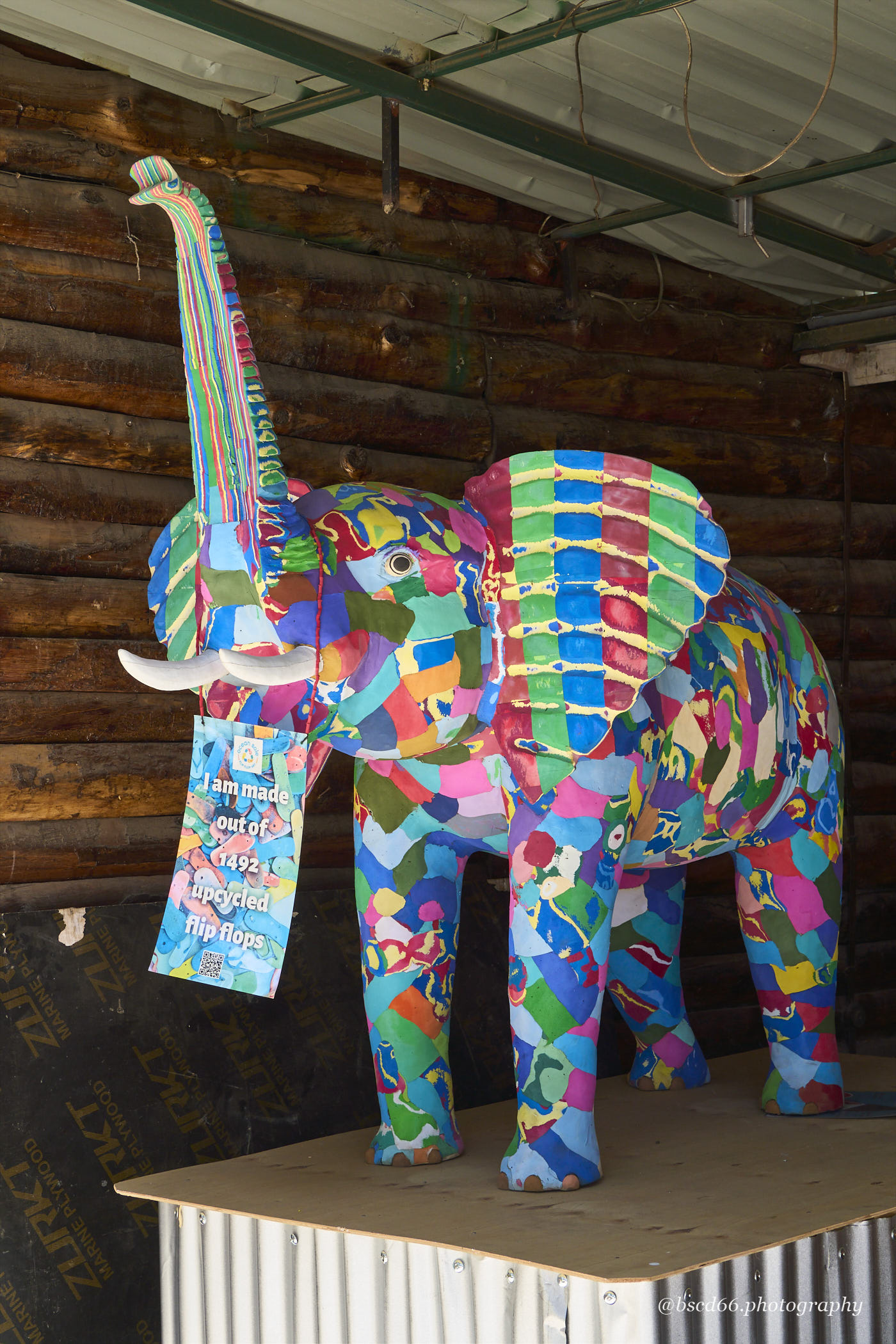
In the meantime, many of the figures are ordered by companies worldwide. A great project, I think!
Karen-Blixen-Museum
Of course, the Karen Blixen Museum should not be missing on any tour of Nairobi. In Kenya, people are very proud of what Karen Blixen started and built up during her time in Kenya here.
The museum is housed in her former home. When she went back to Denmark because her coffee factory burned down and she was left penniless, she sold everything she owned, including the plantation. Some of the furnishings were bought by friends, so that many original parts could be used when furnishing the museum from 1980 onwards.
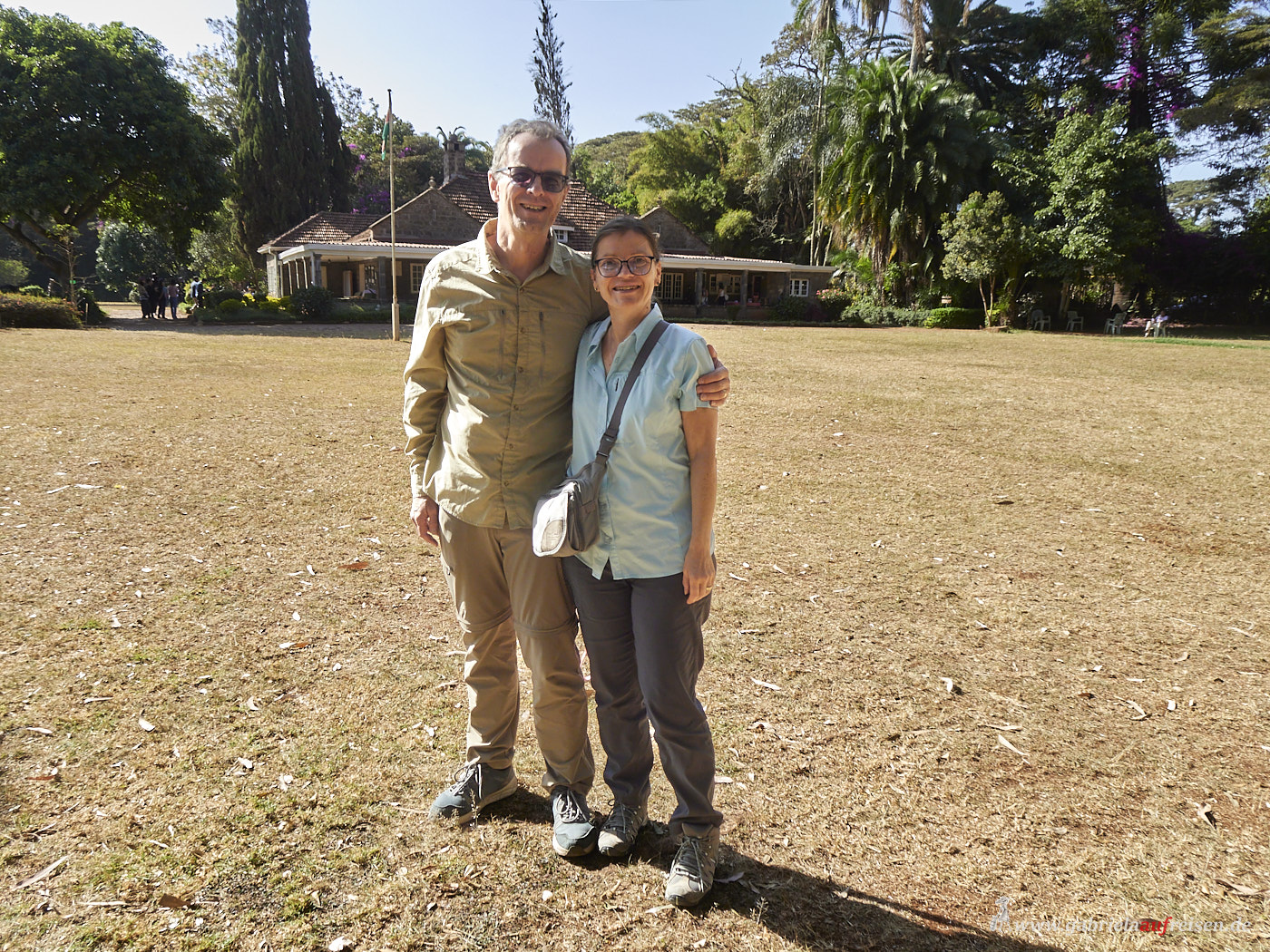
In some cases, the museum also contains things that can be seen in the film “Out of Africa”. Every visitor gets the whole story explained in detail by a competent guide.
The Karen Blixen Museum is one of the national museums of Kenya. Around it is still the beautifully landscaped garden with the ancient trees.
Giraffen-Center
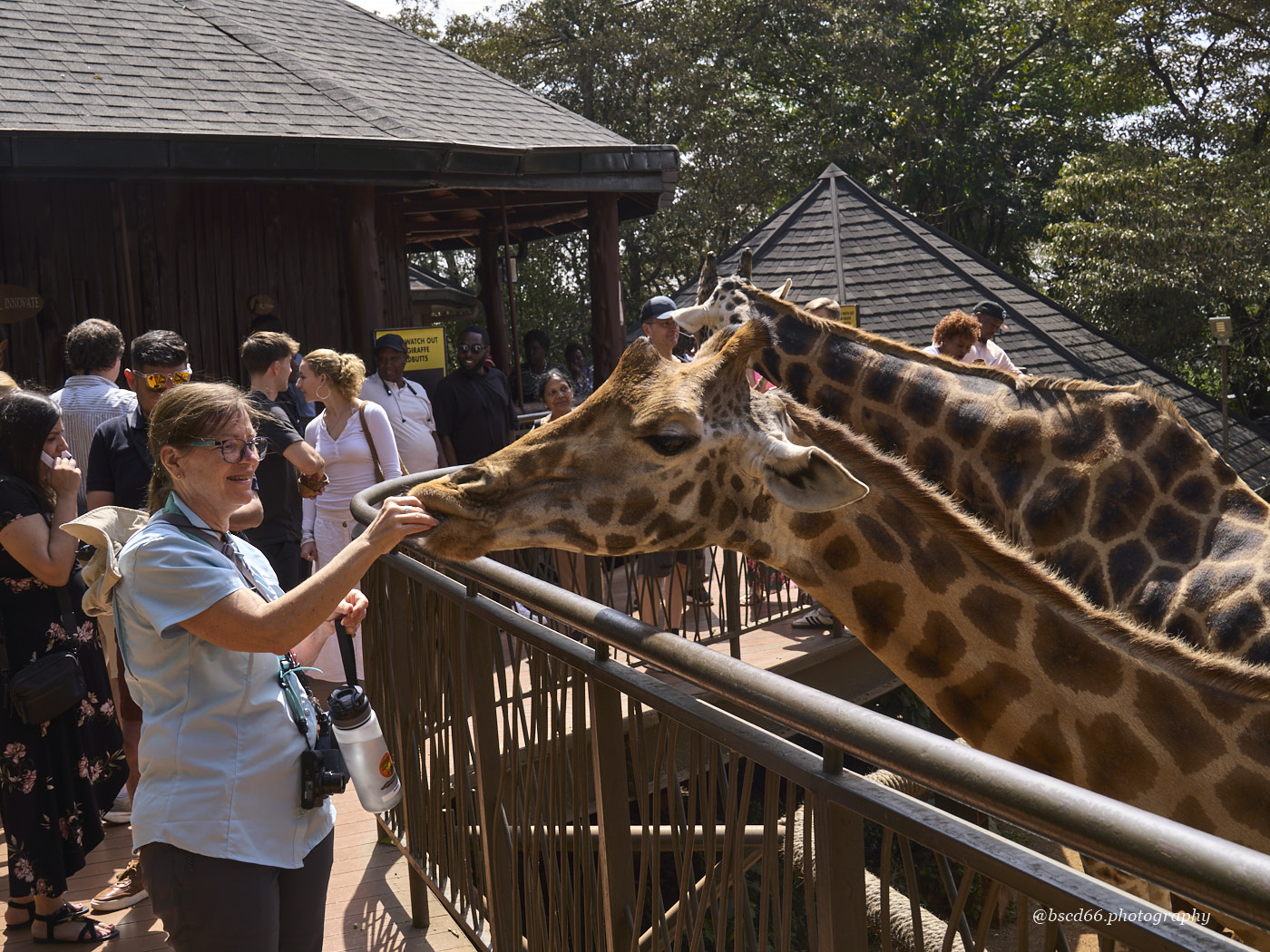
The Giraffe Center is not far from the Karen Blixen Museum. Here, the endangered Rothschild giraffes are cared for and bred so that they can then be released into the wild. (The Masai giraffes live in the national parks). A jetty runs through one of the enclosures and if the giraffes like, they can be fed by the guests. A great experience for all ages! The giraffes carefully remove the vegetable pellets with their tongues, which can be up to 45 cm long. If they don’t like it anymore, they can retreat to the back of the enclosure, where they can have their peace. The giraffes decide for themselves whether they go to the visitors or not. Pellets that fall down are eaten by the warthogs, who also live here.
Now our time in Kenya has come to an end. Unfortunately! We were able to experience incredibly nice and friendly people. Fantastic landscapes and the animals living in nature. There are many more national parks in Kenya, so we will surely return here again sometime.
You can find even more information and pictures about my travels on Facebook, Instagram and Pinterest. Feel free to leave a comment there or here and your “like”. I look forward to it!
Follow me!
More reports from Africa can be found here, for example: Uganda, Tanzania and look for other countries in Africa 😉
… and now you want to go to Africa too? Feel free to contact me!
Some more photos from Kenya:
What a great adventure. And beautiful photos to make a great travel journal!
Thank you very much!